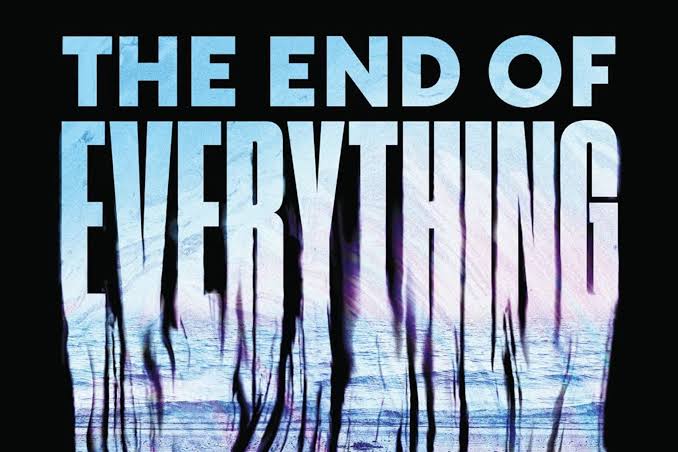
Author M. John Harrison wins Booker for AI-tinged apocalyptic novel

Author M. John Harrison wins Booker for AI-tinged apocalyptic novel

In an earlier interview with AFP, Beard said the prize-awarding panel would have to think about the role of AI in publishing and writing in the coming years.

UK author M. John Harrison won the Booker Prize on Monday for his enigmatic novel “The End of Everything”, which echoes concerns about artificial intelligence in a darkly satirical depiction of post-apocalyptic Britain.

Harrison, 81, became the oldest winner of the award, which comes with a £50,000 ($67,000) prize and a boost in sales and profile for the winner.

A veteran of the British science fiction literary scene, it was Harrison’s first time being shortlisted for the coveted prize, which critics have said was long overdue.

He beat shortlisted authors Marlon James, Douglas Stuart, Elizabeth Strout, Luke Kennard and Rebecca Perry, whose entries ranged from a queer epic unfolding in 1980s Kingston to a campus satire set in modern-day London.

“The End of Everything” came out “ahead in terms of both its extraordinary expert writing, but also huge ambition,” chair of the judges Mary Beard told a press conference.

Harrison’s 13th novel follows the beachcomber Phillip Tennent and his dementia-stricken, free-spirited aunt Marnie, set in the near-future on the windswept English coast invaded by mysterious objects known as the iGhetti.

An unnamed catastrophe plunges the characters into a murky post-apocalyptic world where the European continent seems to have disappeared and the arrival of the iGhetti, which can imitate humans, evoke interactions with artificial intelligence.


In brief

John Harrison won the Booker Prize on Monday for his enigmatic novel “The End of Everything”, which echoes concerns about artificial intelligence in a darkly satirical depiction of post-apocalyptic Britain. Harrison’s 13th novel follows the beachcomber Phillip Tennent and his dementia-stricken, free-spirited aunt Marnie, set in the near-future on the windswept English coast invaded by mysterious objects known as the iGhetti.

This is the opening of the story, shared with credit to KBC. The rest of the report — with every detail — continues on the publisher’s website.

Continue reading at KBC ↗

Cookie settings

Choose which cookies we may use. You can change this at any time from Cookie settings in the footer. Details of each cookie are in the Cookie Policy.

Strictly necessary

Needed for sign-in, security, payments and remembering these choices. Always on.

Preferences

Remember settings such as dark mode.

Analytics & performance

Help us count visits, understand which pages, devices and countries our readers use, and measure how well the site performs – anonymous and aggregated.

Advertising & marketing

Lets advertising partners show and personalise adverts, measure impressions, clicks and visits, prevent ad fraud and pay us – this is how the free site is funded.

🔔 News notifications

Get headlines from NewsHub on this device — even when the site is closed.

You can switch this off at any time. Works on Android, Windows, Mac and Linux browsers; on iPhone/iPad add the site to your Home Screen first.