Trump administration races to fill key diplomatic posts in the Middle East

Trump administration races to fill key diplomatic posts in the Middle East

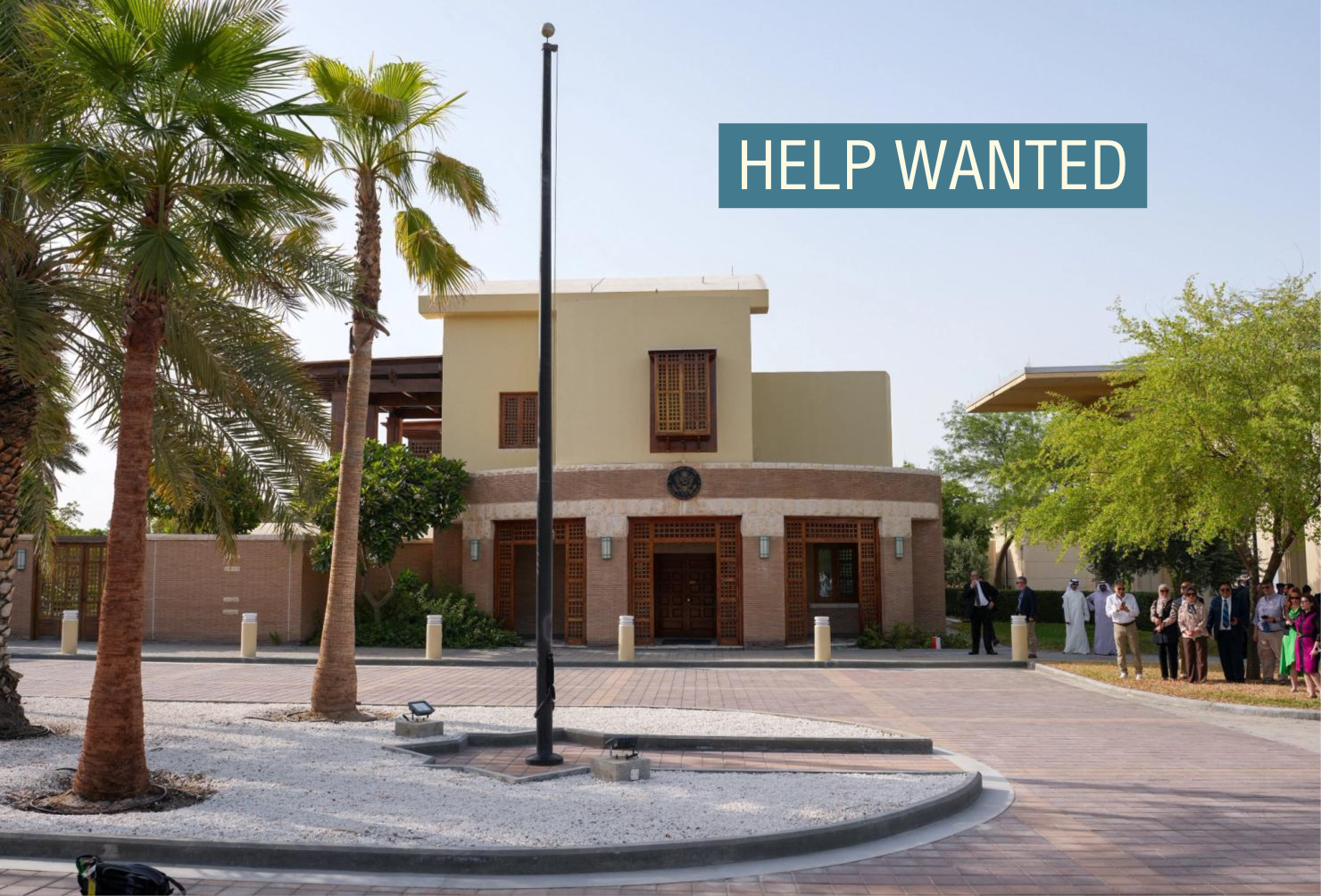
Many countries in the region including Saudi Arabia are without confirmed ambassadors.

The Trump administration’s nominee to be ambassador to Saudi Arabia argued that Washington’s civilian nuclear deal with Riyadh was critical to ensuring the kingdom did not turn to China, and added that normalization of its ties with Israel was “part of the negotiation process.”

Speaking yesterday during a Senate Foreign Relations Committee hearing for US President Donald Trump’s ambassadorial nominees for Saudi Arabia, Egypt, and Kuwait, the pick for ambassador to Saudi Arabia, Rep. Wesley Hunt, R-Texas, insisted that “we cannot let perfection be the enemy of great,” warning that without US involvement, Washington would have “absolutely no say” over the program’s direction.

The hearing was part of efforts by Republicans to secure confirmations for key diplomatic posts before the new Congress takes office in January. The Trump administration has been slow to appoint envoys to posts in the Middle East: Iraq, Kuwait, Qatar, Saudi Arabia, and the UAE remain without confirmed US ambassadors.

Hunt called the US-Saudi relationship the “cornerstone of regional security and prosperity,” pledging to deepen the partnership through expanded trade, investment, and defense cooperation.

He was also pressed over previous remarks portraying Islam as seeking to infiltrate and take over other countries. While saying those views did not represent “every Muslim,” he maintained that “there certainly is a faction to where that is absolutely correct.”
In brief

The Trump administration’s nominee to be ambassador to Saudi Arabia argued that Washington’s civilian nuclear deal with Riyadh was critical to ensuring the kingdom did not turn to China, and added that normalization of its ties with Israel was “part of the negotiation process. The Trump administration has been slow to appoint envoys to posts in the Middle East: Iraq, Kuwait, Qatar, Saudi Arabia, and the UAE remain without confirmed US ambassadors.

This is the opening of the story, shared with credit to Semafor. The rest of the report — with every detail — continues on the publisher’s website.

Continue reading at Semafor ↗

Cookie settings

Choose which cookies we may use. You can change this at any time from Cookie settings in the footer. Details of each cookie are in the Cookie Policy.

Strictly necessary

Needed for sign-in, security, payments and remembering these choices. Always on.

Preferences

Remember settings such as dark mode.

Analytics & performance

Help us count visits, understand which pages, devices and countries our readers use, and measure how well the site performs – anonymous and aggregated.

Advertising & marketing

Lets advertising partners show and personalise adverts, measure impressions, clicks and visits, prevent ad fraud and pay us – this is how the free site is funded.

🔔 News notifications

Get headlines from NewsHub on this device — even when the site is closed.

You can switch this off at any time. Works on Android, Windows, Mac and Linux browsers; on iPhone/iPad add the site to your Home Screen first.