
The reported kidnapping and killing of former Iraqi parliamentarian Ahmed al-Alwani in Beirut has shocked the region and generated intense interest. The fact that a former member of parliament was allegedly kidnapped and killed has drawn attention to the crime's dramatic circumstances.The case has attracted interest in Iraq, the UAE, Lebanon, and across Arab media. New details are emerging about his arrival in Beirut, the apartment where his body was reportedly discovered, and the mysterious movements of several individuals before his disappearance.Al-Alwani was a prominent Sunni politician from Iraq's Anbar province who spent more than a decade in prison under a death sentence before being released in April 2025. His political background, opposition to former Iraqi prime minister Nouri al-Maliki, and the circumstances of his imprisonment have added to the questions surrounding his reported killing.His imprisonment in 2013 came at a time when Iraq was deeply divided along sectarian lines. Maliki was seen as suppressing Sunnis, and ISIS rose in Iraq against this backdrop in 2014.Lebanese media reported on Tuesday that a body believed to be that of al-Alwani had been found in an apartment in Beirut's Tariq al-Jadida neighborhood. However, subsequent reports raised questions about the identification of the remains.According to the UAE-based Al Ain news website, the Iraqi Embassy in Beirut said on Wednesday that DNA testing was…
Who killed Ahmed al-Alwani? Beirut murder raises regional questions - analysis
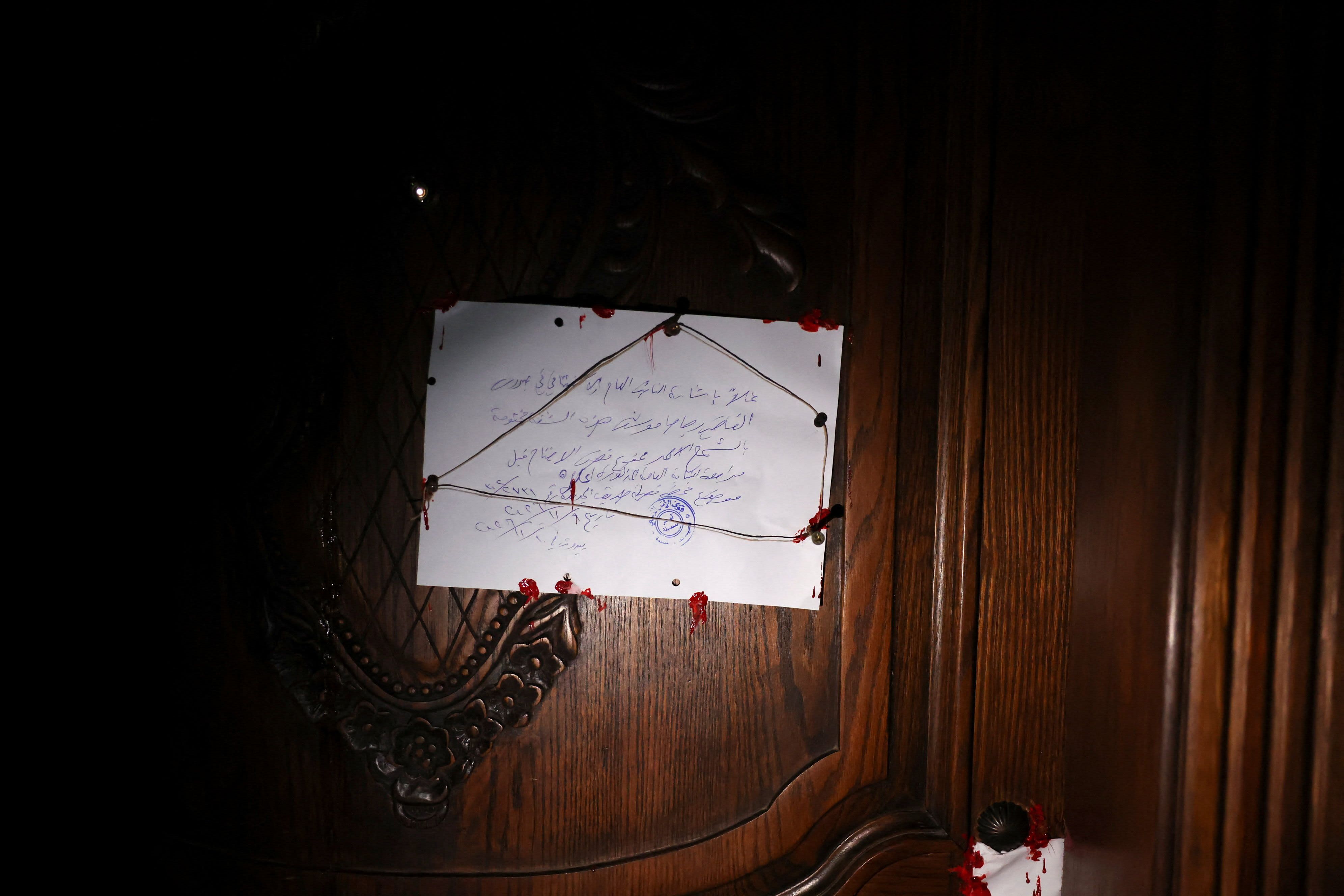
The reported killing of former Iraqi MP Ahmed al-Alwani in Beirut has raised questions about his movements, possible motives and Hezbollah connections.
In brief
The reported kidnapping and killing of former Iraqi parliamentarian Ahmed al-Alwani in Beirut has shocked the region and generated intense interest. His political background, opposition to former Iraqi prime minister Nouri al-Maliki, and the circumstances of his imprisonment have added to the questions surrounding his reported killing.His imprisonment in 2013 came at a time when Iraq was deeply divided along sectarian lines.
This is the opening of the story, shared with credit to The Jerusalem Post. The rest of the report — with every detail — continues on the publisher’s website.
Continue reading at The Jerusalem Post ↗