Little was known in Abraham Klajner's family about what happened to him during the Holocaust. His relatives believed he had been imprisoned in Buchenwald concentration camp, but the details of his imprisonment remained unknown. Abraham himself didn't speak about what he had endured until he died in 1980.Decades later, his great-nephew Amit Baida became interested in his great-uncle's history. Born and raised in southern Israel, Amit now lives in Germany. When he began looking into his family's past, he discovered that asking relatives was not enough. Neither his father nor his grandmother knew much.Research at Yad Vashem and Arolsen Archives uncovered documents previously unknown to the family. But first, it was necessary to work through incomplete biographical information and different spellings of Abraham's surname.Descendants of Holocaust survivors around the world are undertaking similar research today. Some are searching for relatives who were murdered, while others are trying to reconstruct survivors' lives or discover what their families' lives were like before the war.Why Holocaust survivors rarely spoke about their pastThe reasons for silence vary depending on the country, generation, and circumstances of persecution, explains Giora Zwilling, Head of Digital Transformation at Arolsen Archives, a Germany-based international center documenting victims of Nazi persecution.He describes the 1940s and 1950s in Israel as a period when many Holocaust survivors did not want to discuss…
How to uncover your family's Holocaust history when the stories were never told
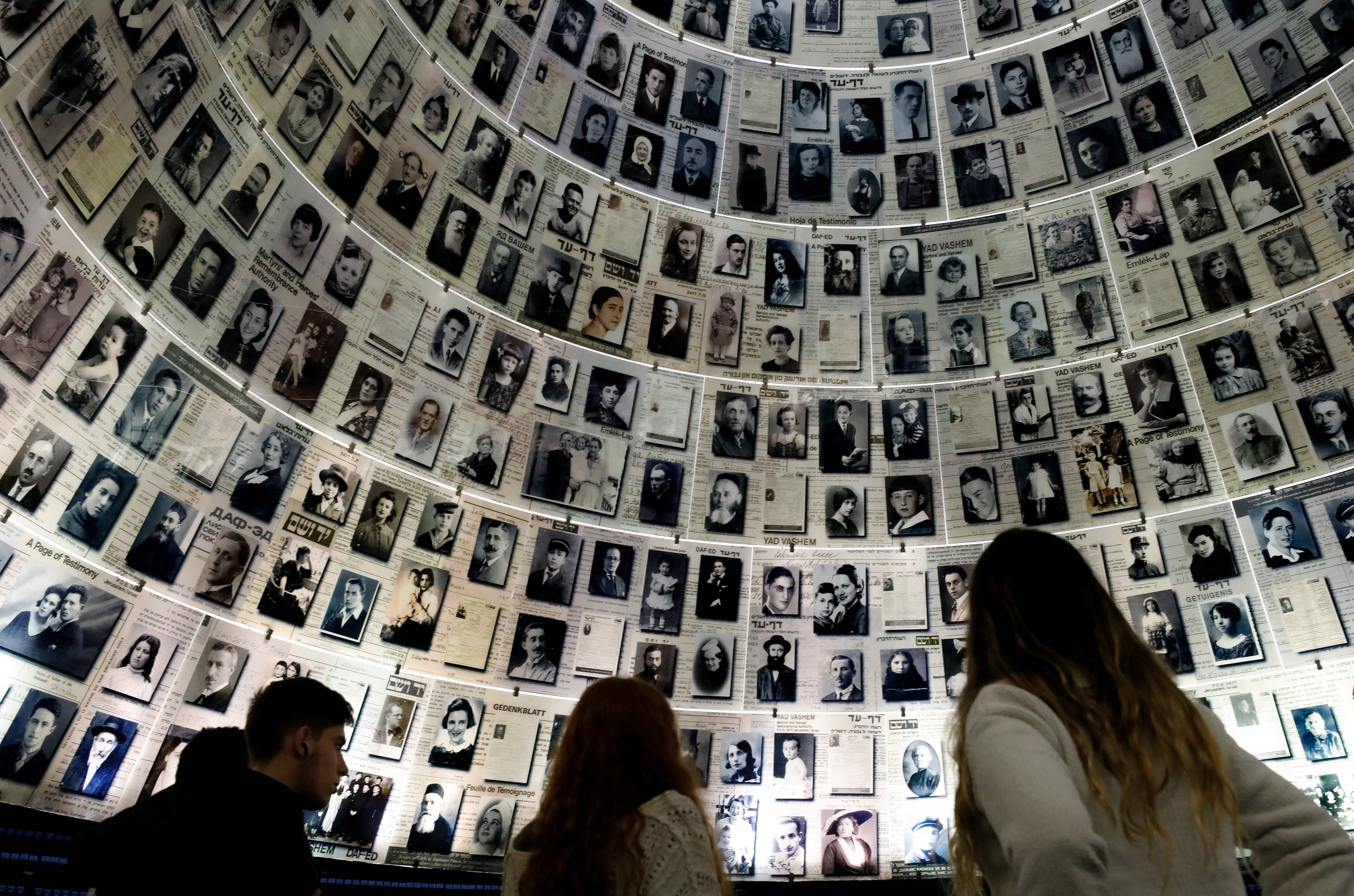
From Yad Vashem to the Arolsen Archives, experts explain how descendants of Holocaust survivors can reconstruct their family histories when no one is left to tell their stories.
In brief
Little was known in Abraham Klajner's family about what happened to him during the Holocaust. Born and raised in southern Israel, Amit now lives in Germany. When he began looking into his family's past, he discovered that asking relatives was not enough. But first, it was necessary to work through incomplete biographical information and different spellings of Abraham's surname.Descendants of Holocaust survivors around the world are undertaking similar research today.
This is the opening of the story, shared with credit to The Jerusalem Post. The rest of the report — with every detail — continues on the publisher’s website.
Continue reading at The Jerusalem Post ↗