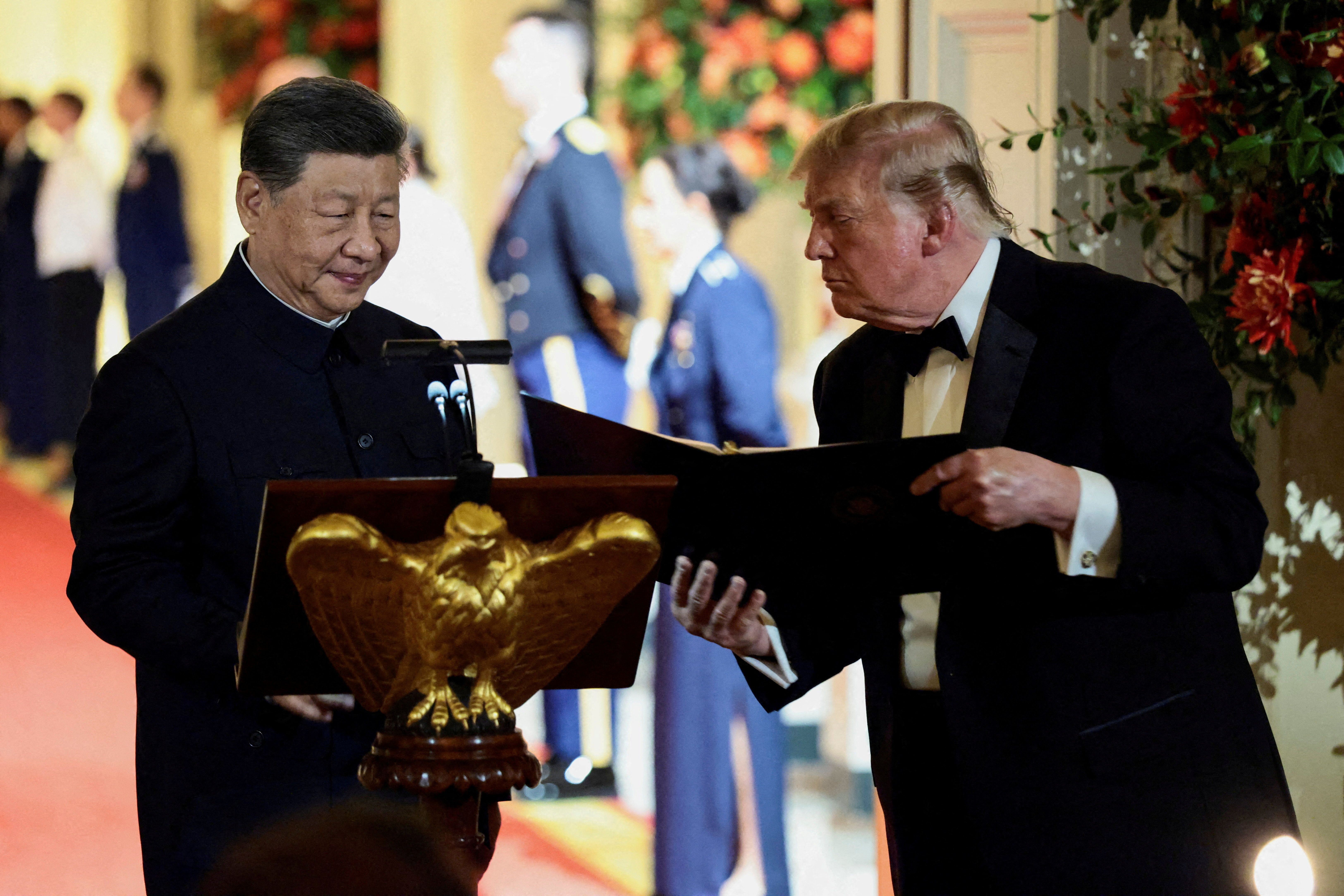
The fallout from Nvidia CEO Jensen Huang’s affair with a suspected Chinese spy may complicate US-China trade talks at next week’s APEC summit, where President Donald Trump is slated to meet with Chinese leader Xi Jinping.
That’s because the ordeal has heightened bipartisan scrutiny of the administration’s handling of export controls on AI chips, just months before Democrats assume control of Congress.
“Up until this point in time, Trump and the Republican Party had full control over what to do with export controls,” Bloomberg analyst Michael Deng, a former Commerce Department official, told Semafor. “The issue going into APEC is the Chinese side is going to know that Trump may not necessarily be able to hold any commitments he makes.”
China, which agreed this week to extend the current truce until January, is already seeking to exploit the GOP’s midterm losses.
Deng predicted subsequent extensions “will get progressively harder to negotiate,” noting that lawmakers are already debating including multiple export-control proposals in defense legislation.
“We already didn’t expect much from many of the previous meetings,” Deng said. “You could probably expect even less coming into this, because now the US side can’t even make true commitments to preserve the status quo.”
US Trade Representative Jamieson Greer said in September that negotiators had taken export controls “off the table”