Makkah alliance signals a Gulf shift from dependence to diversification

Makkah alliance signals a Gulf shift from dependence to diversification

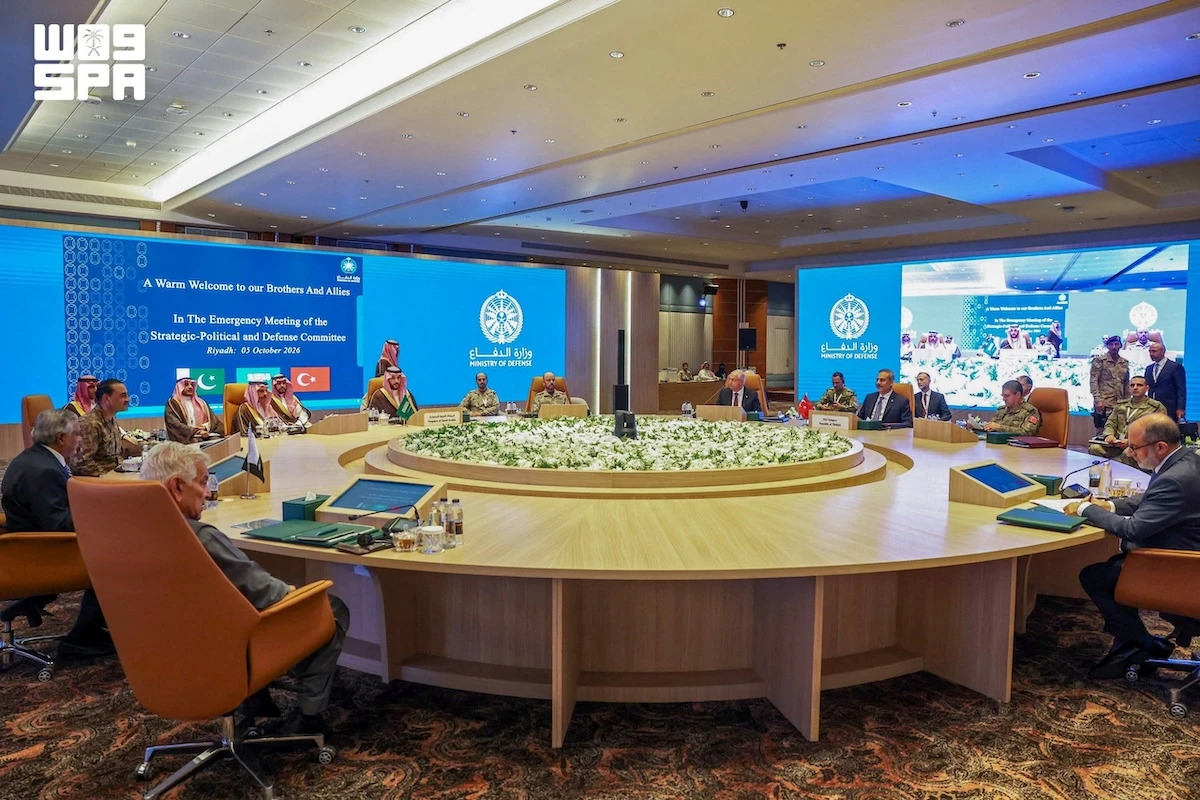
Just three months after its signing, the Saudi-Turkish-Pakistani Makkah Defense Alliance has taken a major step toward becoming a fully operational security partnership. Following renewed Houthi attacks against Saudi Arabia, the three nations last month agreed to activate their collective defense commitments and facilitate the rapid deployment of military forces and capabilities to the Kingdom.

Two further moves have added institutional weight to the pact, which was only signed in August: the appointment of retired Pakistani Lt. Gen. Nauman Mahmood as the alliance’s first secretary-general and Turkiye’s parliamentary ratification of the agreement last week. These developments came as Gulf states reassessed how much they can continue to rely on Western military guarantees. Because the ongoing regional conflict has exposed the limits of existing security arrangements, Riyadh and its partners appear to be laying the groundwork for a more autonomous regional defense architecture.

The agreement marks a clear departure from the mostly bilateral arrangements that have long underpinned Saudi Arabia’s defense ties with Turkiye and Pakistan. Its central provision — that an armed attack against one member is considered an attack against all three — establishes a formal collective defense commitment backed by real structure. A Strategic Political and Defense Committee and a permanent secretariat in Riyadh now provide dedicated channels for political consultation and military planning.

In brief

Just three months after its signing, the Saudi-Turkish-Pakistani Makkah Defense Alliance has taken a major step toward becoming a fully operational security partnership. Following renewed Houthi attacks against Saudi Arabia, the three nations last month agreed to activate their collective defense commitments and facilitate the rapid deployment of military forces and capabilities to the Kingdom.

This is the opening of the story, shared with credit to Arab News. The rest of the report — with every detail — continues on the publisher’s website.

Continue reading at Arab News ↗

Cookie settings

Choose which cookies we may use. You can change this at any time from Cookie settings in the footer. Details of each cookie are in the Cookie Policy.

Strictly necessary

Needed for sign-in, security, payments and remembering these choices. Always on.

Preferences

Remember settings such as dark mode.

Analytics & performance

Help us count visits, understand which pages, devices and countries our readers use, and measure how well the site performs – anonymous and aggregated.

Advertising & marketing

Lets advertising partners show and personalise adverts, measure impressions, clicks and visits, prevent ad fraud and pay us – this is how the free site is funded.

🔔 News notifications

Get headlines from NewsHub on this device — even when the site is closed.

You can switch this off at any time. Works on Android, Windows, Mac and Linux browsers; on iPhone/iPad add the site to your Home Screen first.