
Shrinking sea ice in the Arctic’s rapidly warming waters could provide an early warning sign of summer drought thousands of kilometres away in Eastern Europe.Back-to-back heatwaves and scant rainfall left a record 52 per cent of Europe exposed to heat stress this year, paving the way for severe drought and a slew of deadly wildfires that ripped through the continent. Europe’s four major rivers, Loire, Po, Rhine and the Danube, were pushed to record low levels by August, following months of extreme heat that scientists say would have been “virtually impossible” if it weren’t for climate change. While the continuing burning of fossil fuels increases the risk of summer drought every year, researchers say predicting such droughts in advance could help countries take “timely mitigating action”.Can scientists predict future drought?A new study, published in the science journal Frontiers in Water, found that reduced winter sea ice in the Barents and Kara seas could be linked to more summer drought across a wide area of Eurasia.These effects stretch from eastern Romania, Moldova and Ukraine, across the northern Black Sea and Caspian regions all the way into western Kazakhstan.
A warning from the Arctic? New study links melting sea ice to future summer droughts in Europe
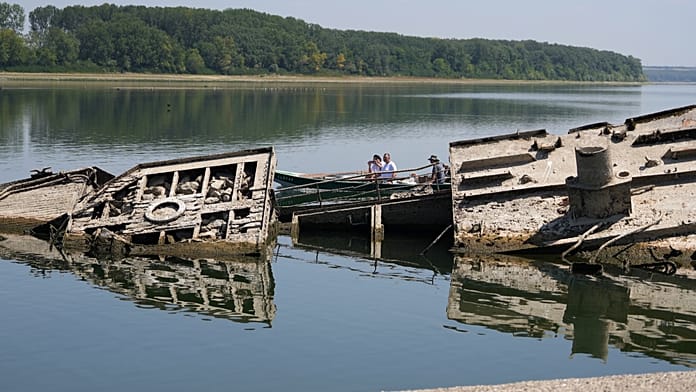
A new study has found that reduced winter sea ice in the Barents and Kara seas could be linked to more summer drought across a wide area of Eurasia.
In brief
Shrinking sea ice in the Arctic’s rapidly warming waters could provide an early warning sign of summer drought thousands of kilometres away in Eastern Europe.Back-to-back heatwaves and scant rainfall left a record 52 per cent of Europe exposed to heat stress this year, paving the way for severe drought and a slew of deadly wildfires that ripped through the continent. Europe’s four major rivers, Loire, Po, Rhine and the Danube, were pushed to record low levels by August, following months of extreme heat that scientists say would have been “virtually impossible” if it weren’t for climate change. While the continuing burning of fossil fuels increases the risk of summer drought every year, re…
This is the opening of the story, shared with credit to Euronews. The rest of the report — with every detail — continues on the publisher’s website.
Continue reading at Euronews ↗