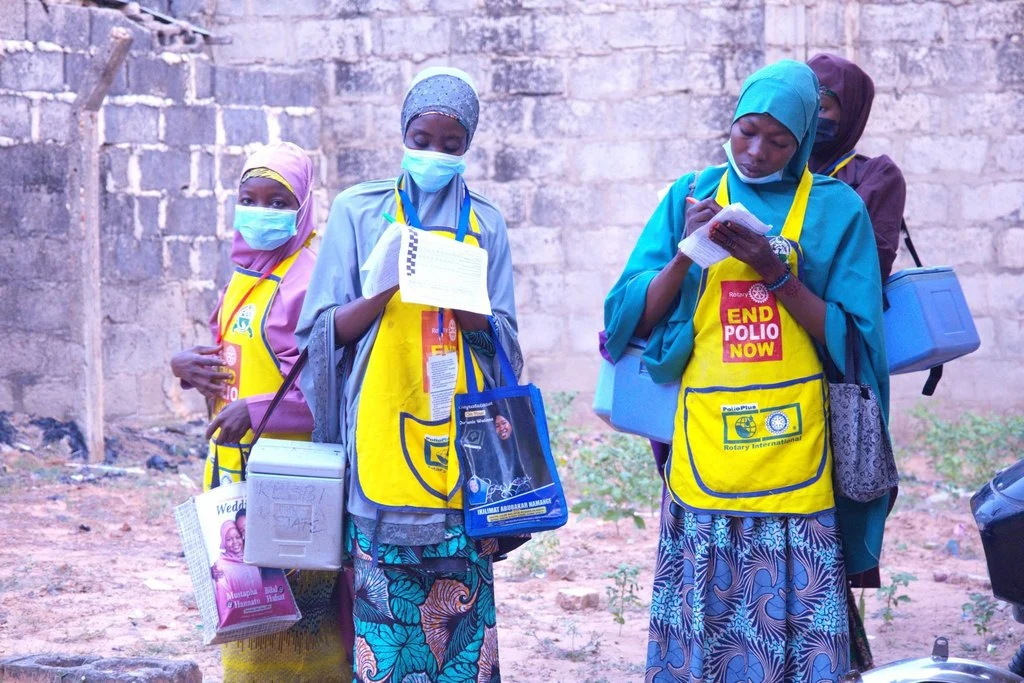
Getting a vaccine to a child starts long before anyone loads a cold box. It starts with knowing the child’s community exists.
About 2.1 million Nigerian children, representing 24% of the country’s estimated 8.7 million under-one population, had not received a single routine vaccine dose, according to the United Nations Children’s Fund (UNICEF). The 2023 estimate made Nigeria the country with the highest number of zero-dose children globally.
Some live in remote settlements cut off from health facilities by difficult terrain and long distances. Others live in conflict-affected communities or settlements missing from the maps and population estimates used to plan campaigns. Without reliable information about where people live and how to reach them, health authorities risk excluding them from vaccination campaigns.
For more than a decade, eHealth Africa, a non-profit developing data-driven solutions for health systems, has supported Nigeria’s immunisation programmes through geospatial settlement mapping, digital campaign planning with PlanFeld and vaccine delivery tracking. In the first half of 2026 alone, vaccination campaigns supported by the organisation reached more than 23 million children across over 205,000 settlements in Nigeria, according to its 2026 Mid-Year Report. But these tools will only endure if Nigerian institutions can fund, operate and maintain them.
Finding communities the health system cannot see