A committee appointed by Health Ministry Director-General Moshe Bar Siman-Tov has submitted its recommendations for fundamentally shifting Israel's national approach to women's health, moving from isolated solutions towards a policy that addresses women's health throughout their lives, beyond pregnancy, childbirth, and gynecology, the Health Ministry announced on Thursday. The committee, chaired by Mali Kusha and supported by eight teams of experts, based its approach on medical and scientific research demonstrating how biological, gender-related, social, and cultural differences affect health, prevention, diagnosis, treatment, and health outcomes. It also recognizes differences among women and their changing healthcare needs throughout their lives. Israel is among the many countries in which women's healthcare suffers in comparison to men. According to the Briah Foundation, a foundation dedicated to reducing the Israeli gender gap in health, women are more likely to wait longer to be seen in emergency rooms, to have their pain dismissed as insignificant, and to be perceived as incapable of making their own decisions regarding their bodies and the medical treatments they want. Additionally, most medical research is based on the male body, with far-reaching consequences, from women taking medications that have been tested exclusively on men to heart disease being underdiagnosed in women because their symptoms may differ from those experienced by men.
Health Ministry comittee submits recommendations for womens' health system overhaul
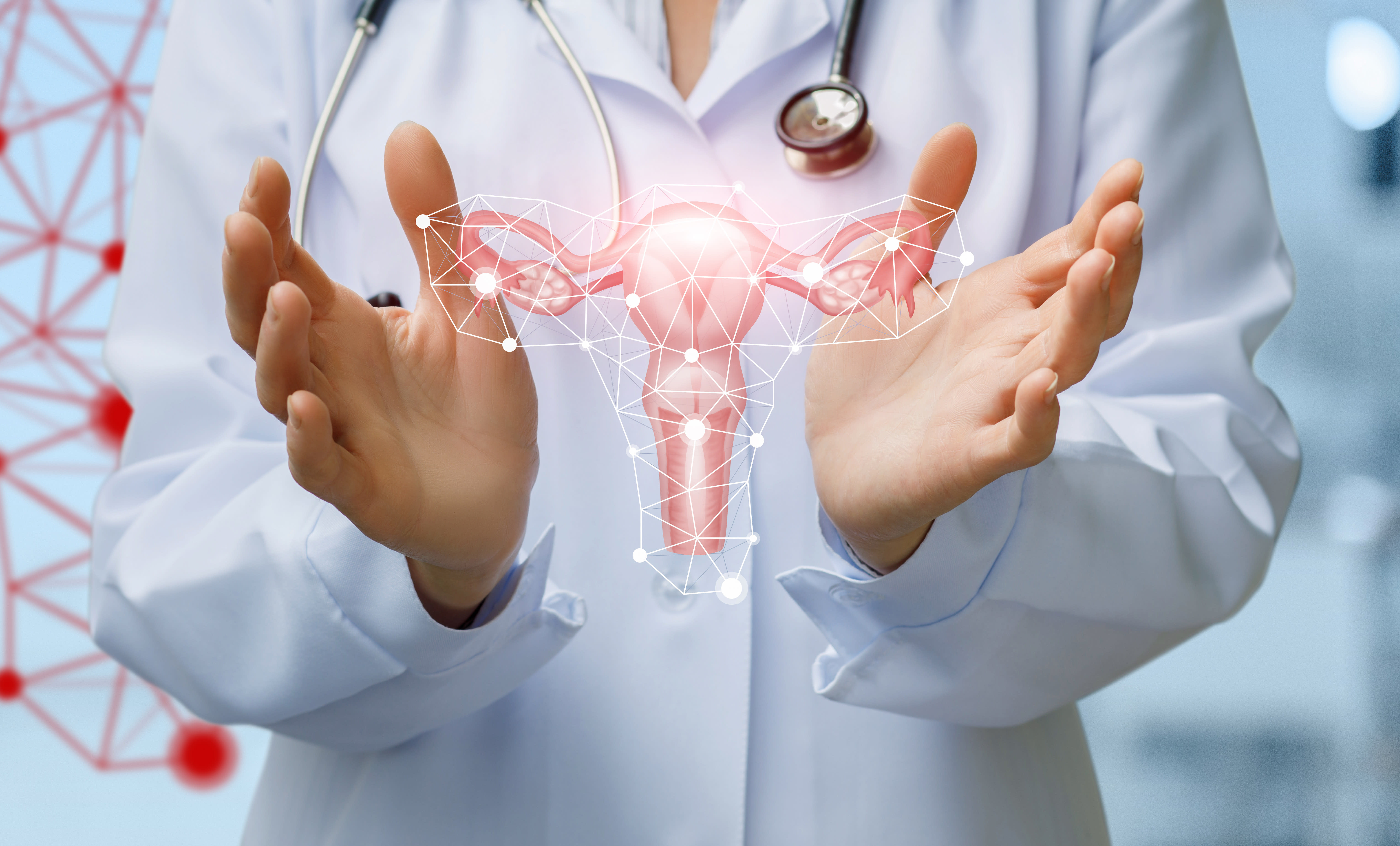
Israel's Health Ministry is considering sweeping reforms to women's healthcare as studies reveal years-long diagnostic delays, inadequate treatment, and widespread gaps in care.
In brief
A committee appointed by Health Ministry Director-General Moshe Bar Siman-Tov has submitted its recommendations for fundamentally shifting Israel's national approach to women's health, moving from isolated solutions towards a policy that addresses women's health throughout their lives, beyond pregnancy, childbirth, and gynecology, the Health Ministry announced on Thursday. The committee, chaired by Mali Kusha and supported by eight teams of experts, based its approach on medical and scientific research demonstrating how biological, gender-related, social, and cultural differences affect health, prevention, diagnosis, treatment, and health outcomes.
This is the opening of the story, shared with credit to The Jerusalem Post. The rest of the report — with every detail — continues on the publisher’s website.
Continue reading at The Jerusalem Post ↗