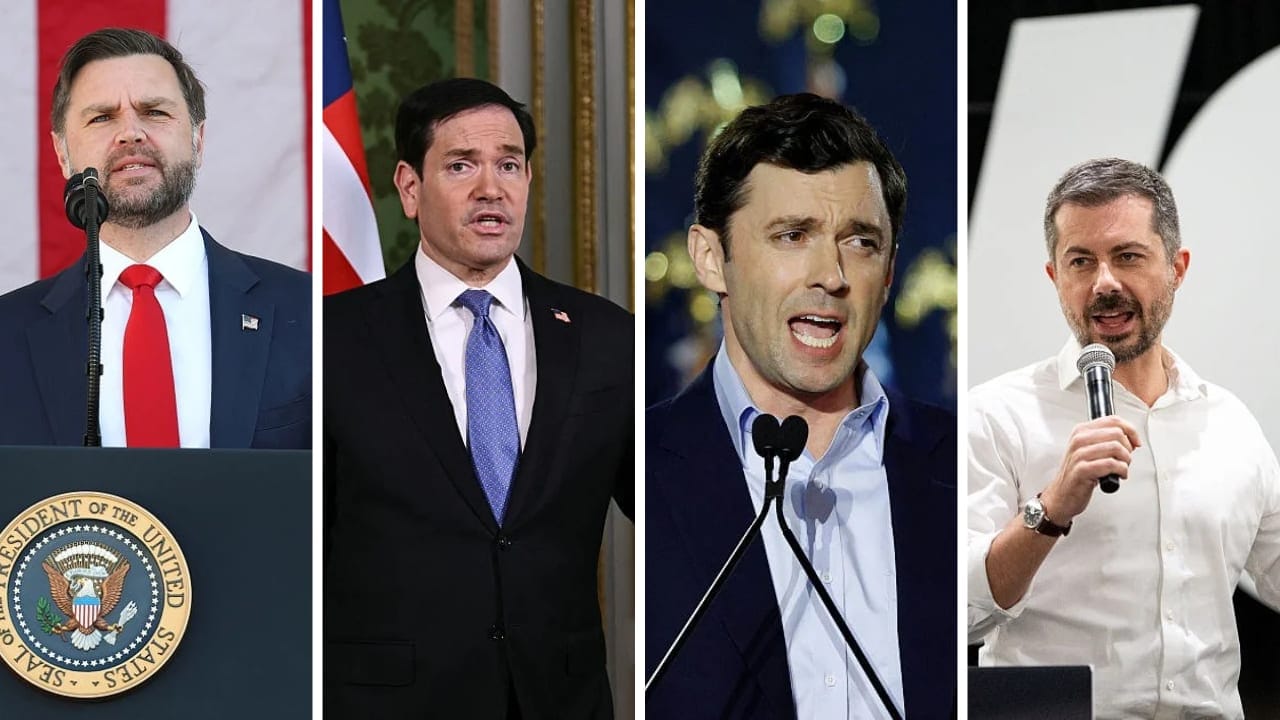
Pete Hegseth, US President Donald Trump's secretary of war, described the failed efforts to impeach him this week as "farce" and "sabotage".
The case, built on an accusation that Hegseth waged war on Iran without the proper congressional approval, always looked a long shot. But many observers believe it could be the first in a wave of impeachment attempts, possibly headlined by a third attempt to impeach Trump.
DW takes a look at impeachments and why you may be hearing more about them.
While there are global variations in how impeachment works, in the US it is a process that allows the legislature (usually Congress, state or tribal legislature) to bring charges against an elected figure — a judge or a president, for example. These are not criminal charges but can result in the removal of the accused party from their post.
For federal impeachment, once an impeachment case is raised in the House of Representatives, it must be heard in a trial in the Senate, with both sides able to cross-examine relevant figures. However, for a conviction to be obtained, a two-thirds majority must be reached, a factor which often limits the chances of success given the partisan nature of US politics.
It is a simple process to introduce and, once started, the case is heard within 48 hours…