The IDF has developed a new policy intended to protect and expand the rights of individuals suspected of sexual assault or harassment in cases that are not eligible for criminal prosecution, allowing suspects to receive greater details about allegations concerning them and choose questions to be asked of the alleged victim, among other new rights. The new policy was first reported on Ynet on Thursday, then independently verified by The Jerusalem Post. The policy applies specifically to cases referred to the IDF Chief of Staff's Gender Affairs Advisor that are not subject to a criminal investigation. If a complainant chooses not to file a complaint with the Military Police for personal reasons, or when a complaint is reviewed by the Military Police but the alleged conduct does not meet the threshold for criminal prosecution, an internal inquiry is conducted under the responsibility of the Gender Affairs Advisor's Unit. According to IDF data, in 2025, only 10% of the over 2,420 reports of sexual assault and harassment were investigated by the Military Police or the Israeli Police, while 59% were handled through disciplinary and command channels. The remaining cases were inconclusive or not fully pursued, were not handled due to "external circumstances," or were withdrawn by 48 victims.
IDF revises policy to expand protections of soldiers accused of sexual harassment, assault
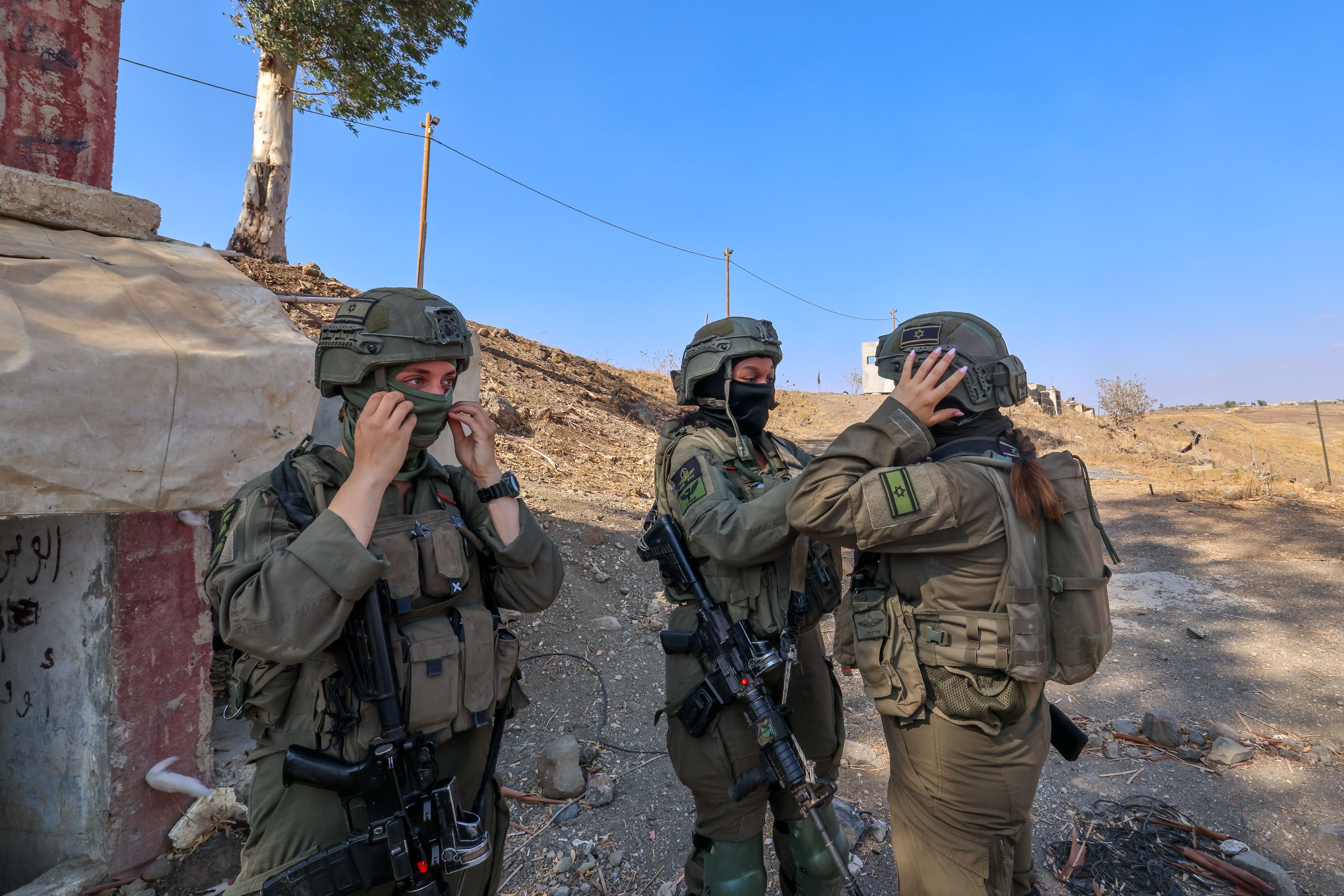
Soldiers accused of sexual harassment will gain new rights during IDF inquiries, including access to allegations and evidence and the ability to indirectly question complainants.
In brief
The IDF has developed a new policy intended to protect and expand the rights of individuals suspected of sexual assault or harassment in cases that are not eligible for criminal prosecution, allowing suspects to receive greater details about allegations concerning them and choose questions to be asked of the alleged victim, among other new rights.
This is the opening of the story, shared with credit to The Jerusalem Post. The rest of the report — with every detail — continues on the publisher’s website.
Continue reading at The Jerusalem Post ↗