One of my many role-models was Philip Ochieng, a writer who could pick a single English word and write a 600-word article around it.
Take the word circumcision, for example. Mr Ochieng would have traced its Latin origins to a thousand years before Christ, thrown in an interjection that Christ was not a Christian, then explained that circumcise comes from two words: circum, meaning around, and cise, meaning cut.
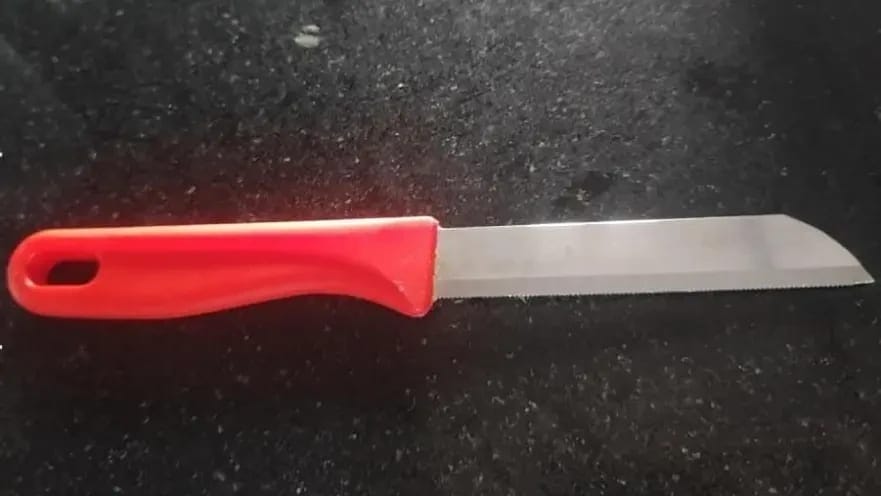
Ochieng would probably point out that to circumcise a man means to ‘cut’ the skin ‘around’ the tip of his penis for health, religious, or cultural reasons. He would probably throw in some banter about how communities that do not take trips around that particular part of the anatomy with a knife or razor have their own, equally effective ways of initiating their boys into manhood.
He would probably poke fun at the idea that merely slicing off a piece of skin from a boy’s penis makes him a man, and point out that even in the Bible, Christianity’s holiest book, Abraham, the ancestor of the Jews, was circumcised at the age of 99, alongside his 13-year-old son.
Father and son were circumcised the same season.
Now, December is circumcision season for many boys in Kenya.