
As concerns over sabotage and suspicious Russian activity in European waters intensify, the United Kingdom (UK) is working on legislation that could see those deliberately damaging critical undersea infrastructure jailed for up to 14 years, according to a statement.The proposed penalties also include unlimited fines for interfering with undersea cables and pipelines. If adopted, the changes would update legislation dating back to 1885.The plans would introduce new security obligations for cable operators and give the government greater powers to respond to national security threats.The government points to growing geopolitical tensions as a reason for the changes."The threats we face have changed dramatically, with suspicious Russian activity around critical undersea infrastructure," said Ian Murray, Telecoms minister of the UK.The UK's move follows a series of incidents in European waters, including the Nord Stream pipeline sabotage in 2022, damage to the Baltic connector gas pipeline in 2023 and several undersea cable failures in the Baltic Sea in 2024.Such incidents highlight the importance of infrastructure connecting countries across Europe and beyond.Subsea fibre-optic cables carry around 99% of intercontinental internet traffic worldwide, according to a 2025 report by the European Commission's Joint Research Centre.Stretching thousands of kilometres across the seabed, they transmit everything from video calls and emails to financial transactions and business communications.A severed cable does not necessarily cause an internet blackout.
Why the UK wants to jail undersea cable saboteurs and why tougher punishment may not be enough
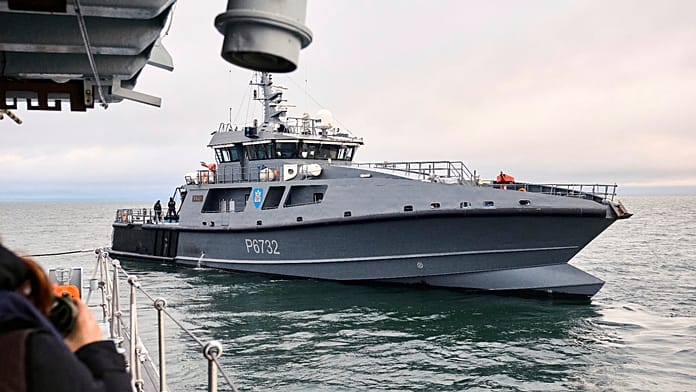
The United Kingdom is seeking tougher penalties for damaging critical underwater infrastructure, but industry insiders warn that stronger rules alone cannot prevent widespread disruption.
In brief
As concerns over sabotage and suspicious Russian activity in European waters intensify, the United Kingdom (UK) is working on legislation that could see those deliberately damaging critical undersea infrastructure jailed for up to 14 years, according to a statement.The proposed penalties also include unlimited fines for interfering with undersea cables and pipelines. If adopted, the changes would update legislation dating back to 1885.The plans would introduce new security obligations for cable operators and give the government greater powers to respond to national security threats.The government points to growing geopolitical tensions as a reason for the changes."The threats we face have…
This is the opening of the story, shared with credit to Euronews. The rest of the report — with every detail — continues on the publisher’s website.
Continue reading at Euronews ↗