📰 Newspapers

Silicon Valley claims to know the future. So why did it get the midterms so wrong?

Silicon Valley claims to know the future. So why did it get the midterms so wrong?

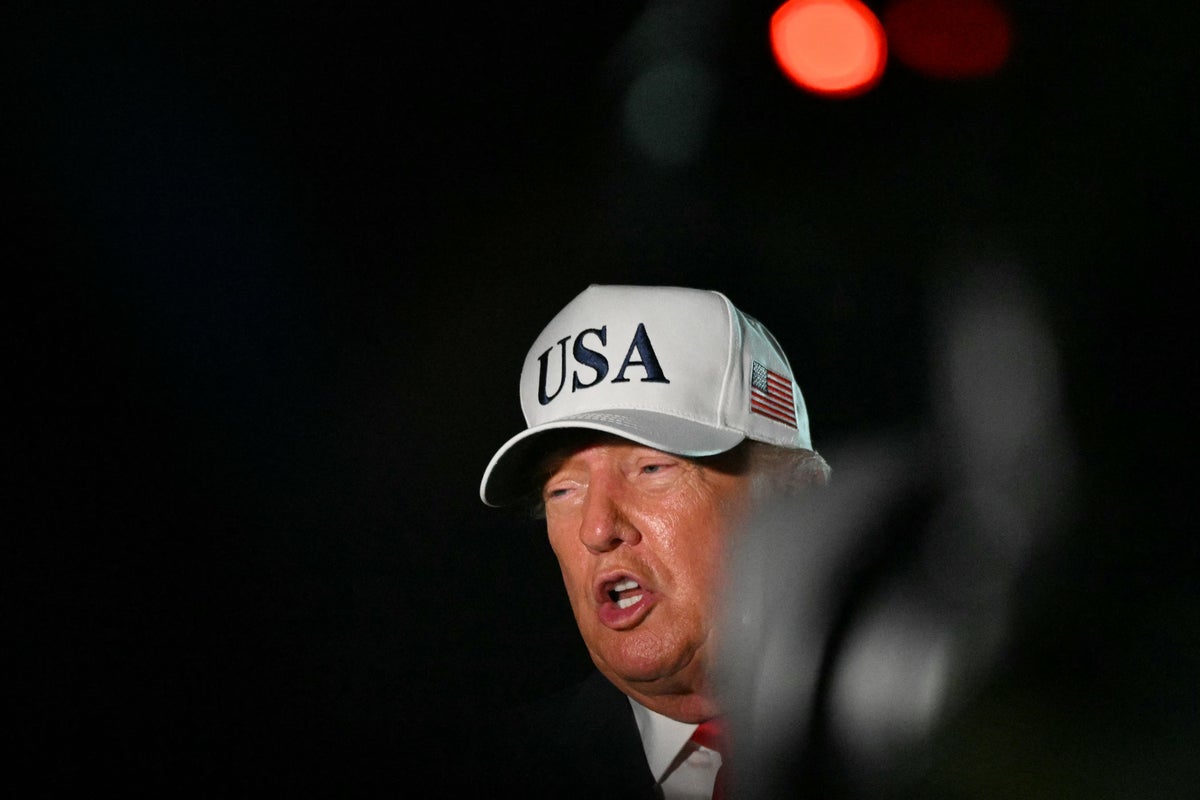
The self-styled visionaries of Silicon Valley, leaders like OpenAI chief executive Sam Altman and SpaceX boss Elon Musk, have built careers claiming to see the future. Long-term vision is currency: Meta’s Mark Zuckerberg built a 10-year road map for Facebook in 2016, and Google famously told investors before its public offering that it was unconcerned with short-term results. And yet there they all were, a mere five weeks before the midterm elections, gathered at the White House to smile for photos with President Trump and sign on to his “Super Intelligence” agenda.

Even by the diminished standards of today’s corporate governance, this was a shockingly foolish decision. Despite dozens of polls showing a rising tide of anti-Trump sentiment and bipartisan rejection of AI and data centers, the futurists of the tech elite cast aside long-term corporate interests for short-term political favor. And now, their industry is very squarely in the new victors’ crosshairs.

For an industry obsessed with pattern recognition, their decision to lash themselves to President Trump has proved to be a catastrophic misreading of the political landscape. Now, not only have they jeopardized their companies’ fates, but they’ve also raised questions about their vision and judgment.

What were they thinking?

The people who work for them are just as confused as the rest of us.
In brief

The self-styled visionaries of Silicon Valley, leaders like OpenAI chief executive Sam Altman and SpaceX boss Elon Musk, have built careers claiming to see the future. Despite dozens of polls showing a rising tide of anti-Trump sentiment and bipartisan rejection of AI and data centers, the futurists of the tech elite cast aside long-term corporate interests for short-term political favor.

This is the opening of the story, shared with credit to MIT Technology Review. The rest of the report — with every detail — continues on the publisher’s website.

Continue reading at MIT Technology Review ↗

Cookie settings

Choose which cookies we may use. You can change this at any time from Cookie settings in the footer. Details of each cookie are in the Cookie Policy.

Strictly necessary

Needed for sign-in, security, payments and remembering these choices. Always on.

Preferences

Remember settings such as dark mode.

Analytics & performance

Help us count visits, understand which pages, devices and countries our readers use, and measure how well the site performs – anonymous and aggregated.

Advertising & marketing

Lets advertising partners show and personalise adverts, measure impressions, clicks and visits, prevent ad fraud and pay us – this is how the free site is funded.

🔔 News notifications

Get headlines from NewsHub on this device — even when the site is closed.

You can switch this off at any time. Works on Android, Windows, Mac and Linux browsers; on iPhone/iPad add the site to your Home Screen first.