Hungarian oil and gas company MOL says it will be technically ready to phase out Russian oil imports by the end of 2027, as it calls for more EU funding to support the transition away from Russian energy.Speaking to Euronews, MOL Hungary chief executive György Bacsa warned that reducing Hungary’s dependence on Russian crude could drive up energy costs, trigger social unrest and fuel political instability in Hungary and Slovakia, both of which remain heavily reliant on Russian oil.With a new government in Budapest, MOL will seek EU funding for energy diversification for the first time. The shift marks a departure from the Viktor Orbán era, when Hungary remained heavily dependent on Russian oil and opted out of some EU energy initiatives.According to a 2025 IMF study, a complete cut-off of Russian energy supplies could increase Hungary’s energy spending by around 15% by 2030, putting further pressure on its energy security.The European Commission says Russia’s share of EU oil imports has fallen from 27% in 2021 to just 2%. Hungary and Slovakia remain the only EU countries importing significant volumes of Russian crude through the Soviet-era Druzhba pipeline.In Hungary, petrol and diesel prices have risen sharply this year, drawing criticism from opposition parties.“This could really set back those economies, which could result in a political crisis, and the consequences of…
Hungary’s MOL seeks EU funding as CEO warns Russian oil phase-out could trigger social unrest
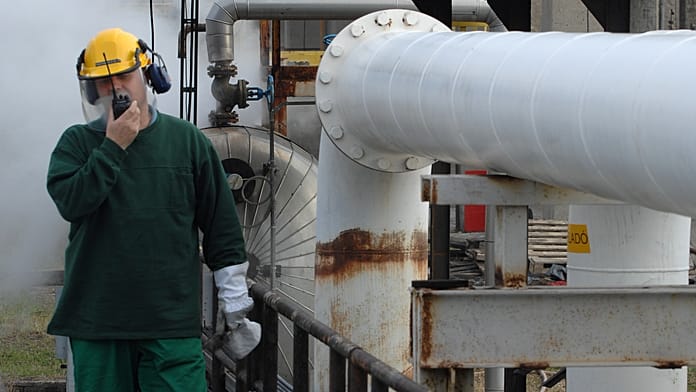
MOL says it could phase out Russian oil imports by the end of 2027, but chief Bacsa warns that higher energy costs could fuel political instability in Hungary and Slovakia. He is calling for EU funding to expand alternative pipeline routes, as Brussels keeps focus on quitting Russian energy.
In brief
Hungarian oil and gas company MOL says it will be technically ready to phase out Russian oil imports by the end of 2027, as it calls for more EU funding to support the transition away from Russian energy.Speaking to Euronews, MOL Hungary chief executive György Bacsa warned that reducing Hungary’s dependence on Russian crude could drive up energy costs, trigger social unrest and fuel political instability in Hungary and Slovakia, both of which remain heavily reliant on Russian oil.With a new government in Budapest, MOL will seek EU funding for energy diversification for the first time. The shift marks a departure from the Viktor Orbán era, when Hungary remained heavily dependent on Russian…
This is the opening of the story, shared with credit to Euronews. The rest of the report — with every detail — continues on the publisher’s website.
Continue reading at Euronews ↗