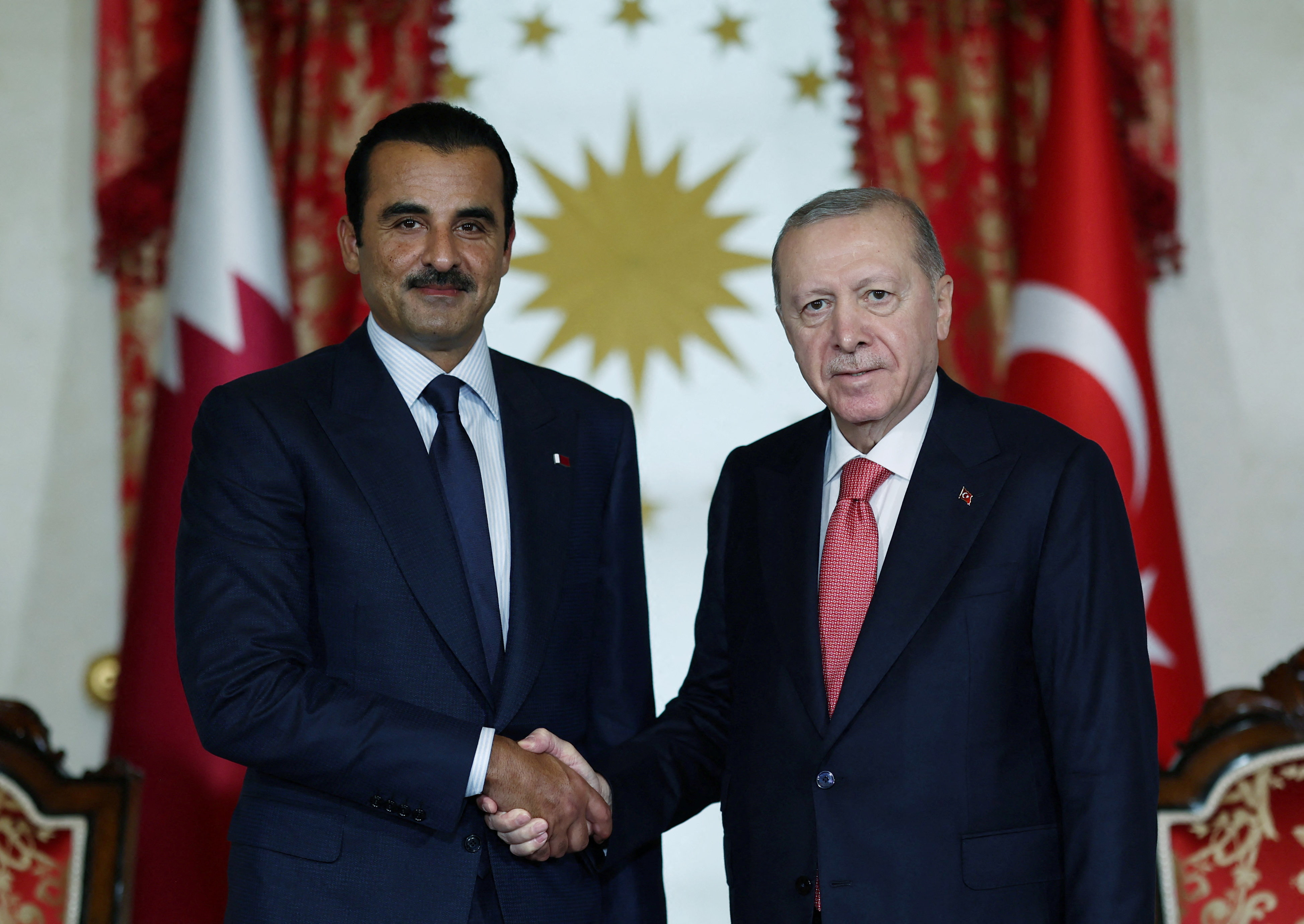
A settlement, even a gradual one, between the US and the Islamic Republic of Iran remains elusive, but this does not mean it is impossible. Political and security developments, as well as statements emerging from both sides, are adding to the uncertainty surrounding the situation, despite the Qatari mediator’s efforts to prevent the details of the messages conveyed or specific proposals being leaked.
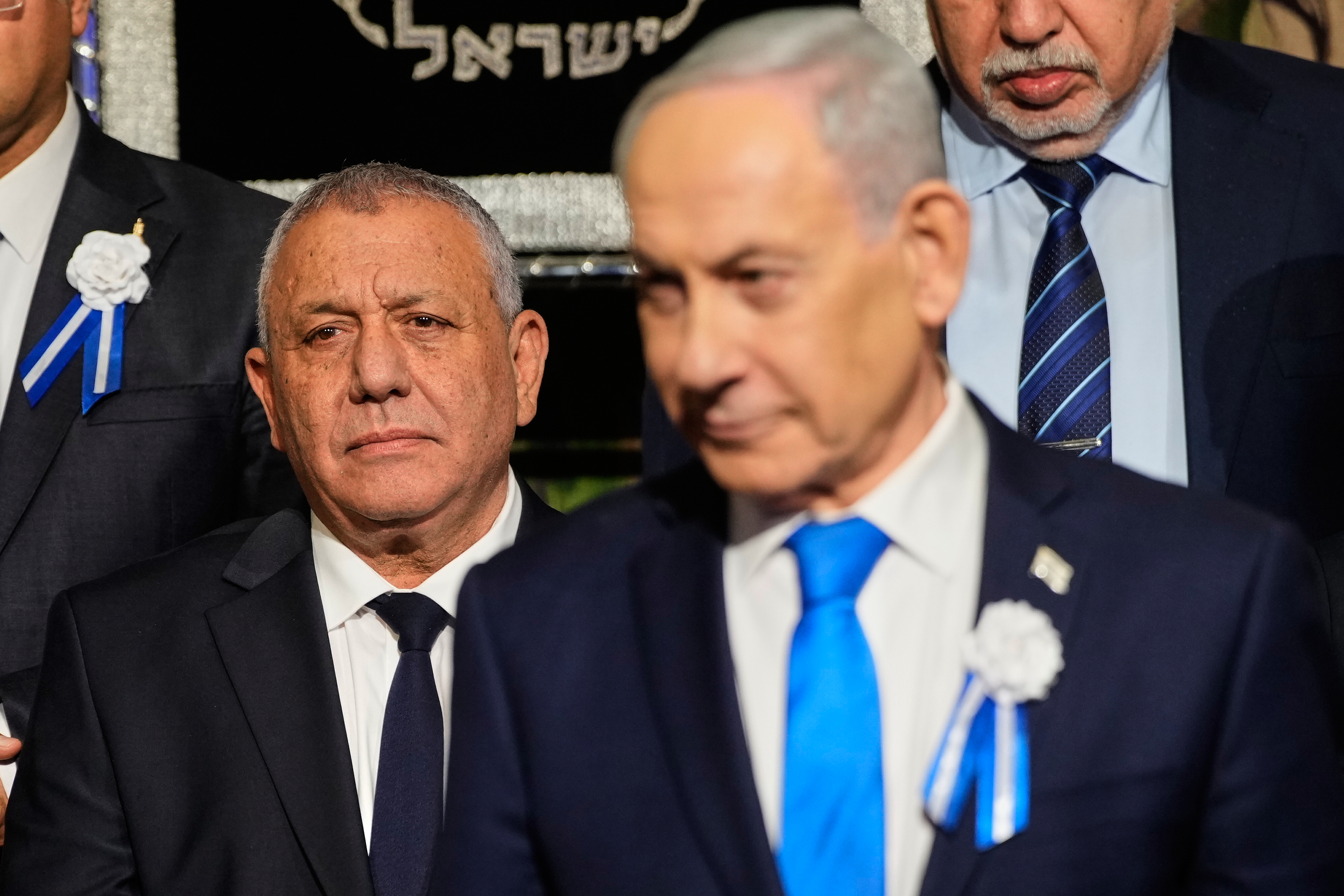
On Nov. 12, US President Donald Trump said that his country “does not need a deal” with Tehran and that the current Iranian leadership remaining in power until the end of his term would amount to a “defeat for him.” Although the latter statement does not constitute an official declaration by Trump that he has definitively adopted the policy of regime change advocated by outgoing Israeli Prime Minister Benjamin Netanyahu, this position could deepen Tehran’s doubts about the merits of making concessions in exchange for an agreement that does not guarantee an end to the military threat it perceives as existential. This is one of the dilemmas facing the mediation efforts, given the lack of trust and the conviction among a broad segment of Iran’s leaders that any new negotiations with Washington would inevitably lead to a third military strike, as they view negotiations as merely a cover for a surprise military action.