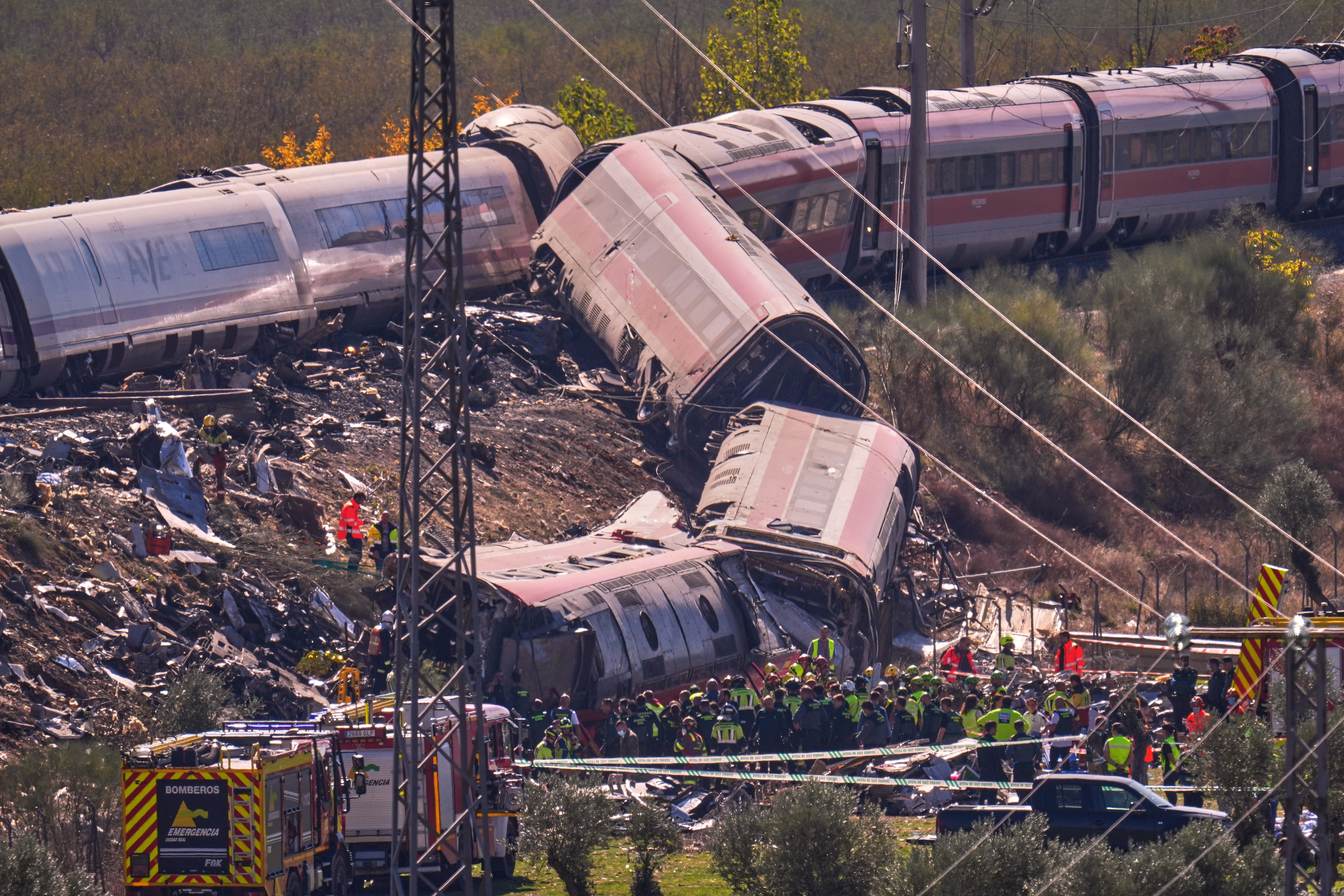
MADRID: Spain’s two deadly train accidents this year have driven passengers away from the world’s second-largest high-speed rail network, a concern for a country heavily reliant on tourism and business travel, experts and business groups said.
The October 28 collision, which killed 69 people, shut the Madrid-Andalusia high-speed line for the second time in nine months, forcing its nearly 19,000 daily passengers to seek alternatives. The line remains closed.
According to competition watchdog CNMC’s data, the number of long-distance high-speed rail passengers fell 15 percent in January-June to 18.7 million following January’s high-speed train collision near the village of Adamuz in southern Spain that killed 46 people, with most travelers switching to rental cars and domestic flights.
Based on Reuters’ calculations, that was almost six times the impact a 30-day closure of the line might normally be expected to have.
The impact of the latest crash is yet to be quantified but is likely to be heavier, experts say, as they fear further erosion of confidence in Spain, the world’s second-most visited country after France, as a safe travel destination.
“All accidents are serious, but when you have two within just nine months ... you have a strong impact on reputation,”