
A place where different periods of history coalesce, might perhaps be under water, where time is still unmoving. Lake Superior, in North America, beneath its blue depths, has surprised researchers with findings that date back to the mining industry of the 1880s, but also to the evidence from a railway derailment in 2008.According to a report by TimminsToday, underwater archaeologists from Parks Canada explored several historical sites in Lake Superior during the summer, including the remains of an old silver mine and two railway cars that had plunged into the lake following a train derailment in 2008. The investigations have been a part of the agency's continuing effort to document archaeological resources underwater in the Lake Superior National Marine Conservation Area. What makes the exploration particularly interesting is that researchers were not only looking at shipwrecks, but also at industrial structures and objects that tell us about the ways people once worked and travelled around the region.Exploring the remains of a historic silver mineOne of the sites examined by the underwater archaeology team was the Silver Islet mine, an offshore silver mining operation that functioned during the 1870s and continued into the mid-1880s.
Underwater archaeologists exploring Lake Superior documented an 1880s flooded silver mine
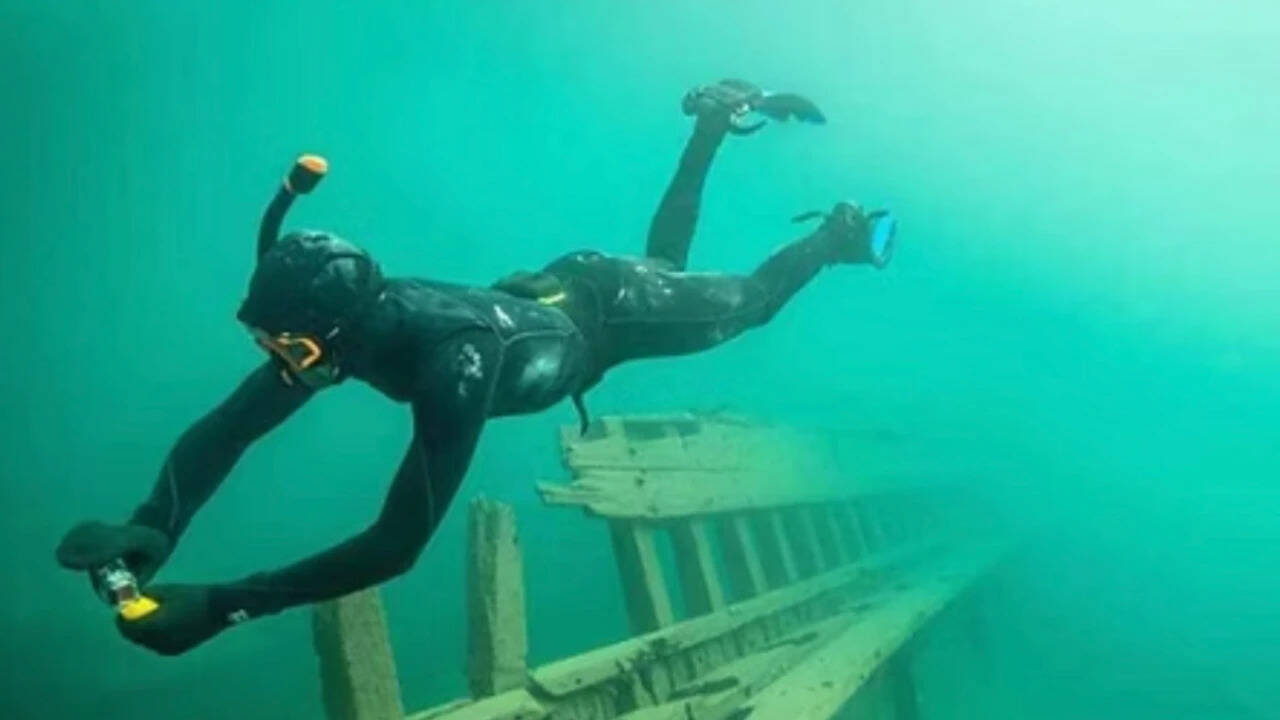
This summer, Parks Canada’s underwater archaeologists delved deep into Lake Superior to investigate fascinating historical remnants. Among their discoveries were the ruins of an 1880s silver mine and two railway cars lost since a 2008 derailment. Using a remotely operated vehicle, the team meticulously inspected mine structures, uncovering valuable insights into past industrial practices and deepening public…
In brief
A place where different periods of history coalesce, might perhaps be under water, where time is still unmoving. The investigations have been a part of the agency's continuing effort to document archaeological resources underwater in the Lake Superior National Marine Conservation Area.
This is the opening of the story, shared with credit to The Times of India — World. The rest of the report — with every detail — continues on the publisher’s website.
Continue reading at The Times of India — World ↗