
Abdul El-Sayed's victory in Michigan's US Senate race should raise uncomfortable questions for Israelis.A progressive Democrat who has opposed American military assistance to Israel and campaigned alongside controversial commentator Hasan Piker has won a closely contested election.For many Israelis, the troubling question extends beyond his victory: How can Jewish Americans support politicians whose positions are so sharply at odds with Israel's interests, sometimes explicitly invoking their Jewish identity to justify that support?The phenomenon extends beyond Michigan. Support for progressive politicians such as New York's Mayor Zohran Mamdani reflects a broader ideological transformation within segments of American Jewry.From political figures such as Chuck Schumer and Brad Lander to influential cultural personalities, progressive identity increasingly shapes political choices, often taking precedence over traditional solidarity with Israel.For Israelis who consider the Jewish state central to Jewish identity, this can feel like betrayal. Yet for many progressive Jewish Americans, no contradiction exists. Understanding why requires recognizing that Israelis and Jewish Americans increasingly approach Jewish identity through fundamentally different frameworks.For Israelis, Jewish identity is inseparable from sovereignty, national self-determination, and physical security. Threats from Iran, Hamas, and Hezbollah are everyday realities. A strong Jewish state represents the ultimate guarantee against the vulnerability that defined centuries of Jewish history.For progressive Jewish Americans, however, Jewish identity often translates into a different political commitment.
El-Sayed's victory exposes a growing divide between Israelis and American Jews - opinion
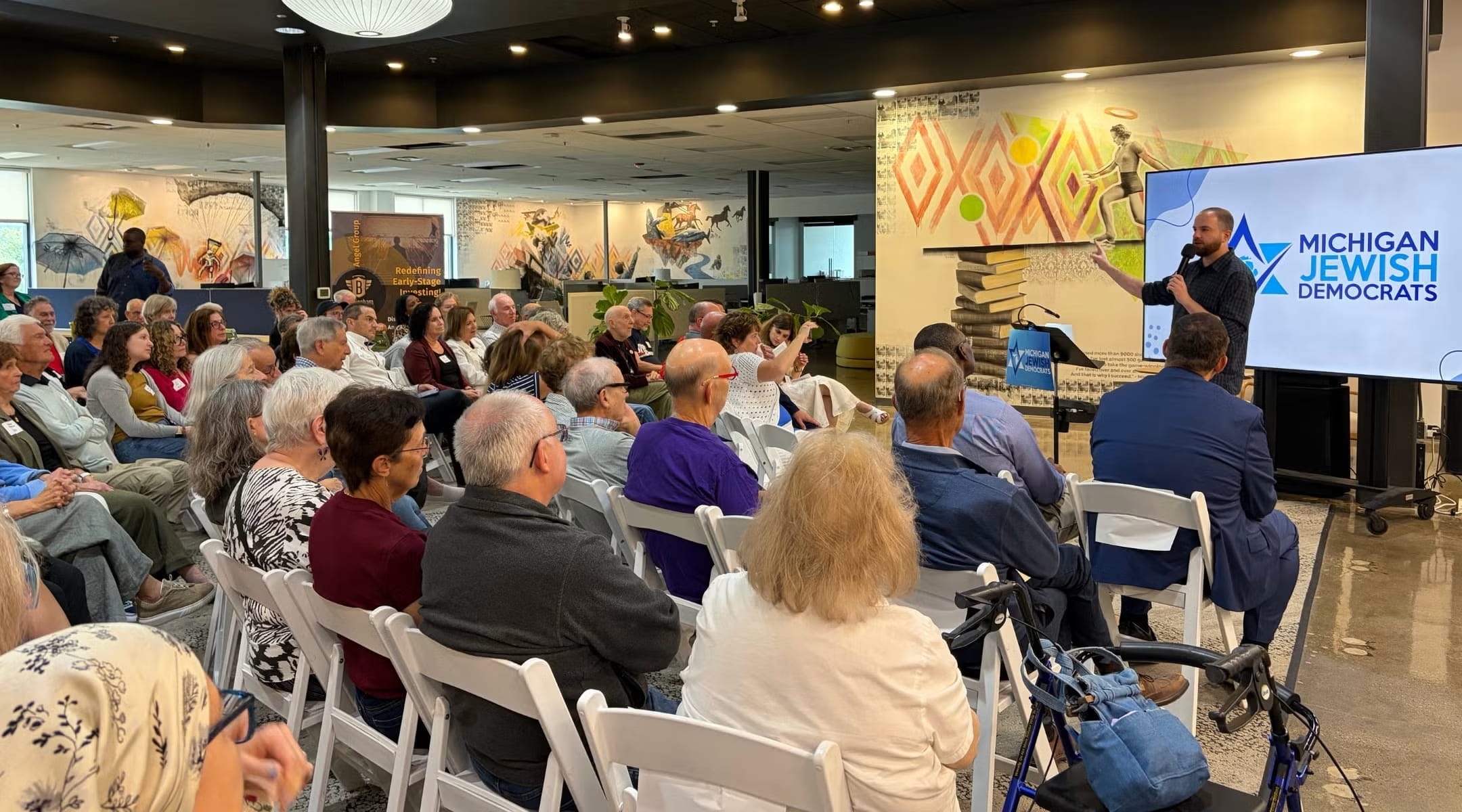
The willingness of some Jewish progressives to support candidates sharply critical of Israel reflects a cultural shift that Israelis can no longer ignore.
In brief
Abdul El-Sayed's victory in Michigan's US Senate race should raise uncomfortable questions for Israelis.A progressive Democrat who has opposed American military assistance to Israel and campaigned alongside controversial commentator Hasan Piker has won a closely contested election.For many Israelis, the troubling question extends beyond his victory: How can Jewish Americans support politicians whose positions are so sharply at odds with Israel's interests, sometimes explicitly invoking their Jewish identity to justify that support?The phenomenon extends beyond Michigan.
This is the opening of the story, shared with credit to The Jerusalem Post. The rest of the report — with every detail — continues on the publisher’s website.
Continue reading at The Jerusalem Post ↗