📰 Newspapers

Russia sets cull limits to help control bear population after attacks kill 36 people

Russia sets cull limits to help control bear population after attacks kill 36 people

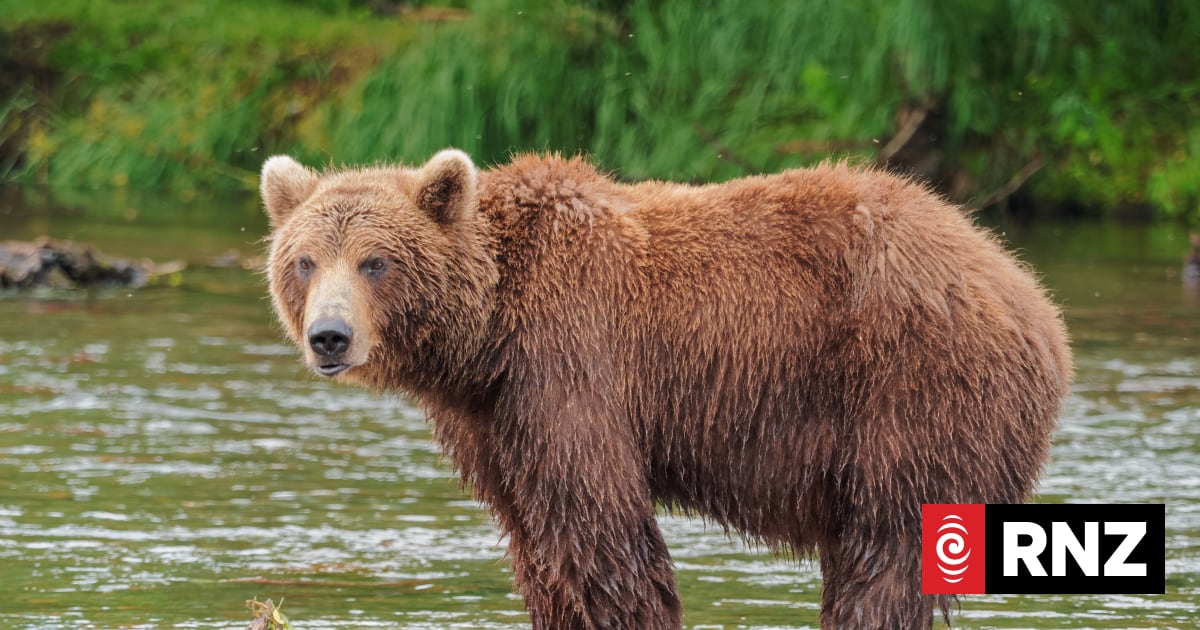
So far this year, 36 people have been killed in Russia by brown bears, with more than 87 attacks and 12,000 reports of the bears approaching people, officials say.

The Russian government has established a cull of up to 30 percent of brown bear populations to keep numbers in check after bear attacks killed 36 people this year, the Ministry of Natural Resources was quoted as saying on Friday.

A ministry statement, quoted by the state RIA news agency, said the limit sought to better control bear populations and reduce the number of attacks, and was already registered with Russia's Justice Ministry.

"Since the beginning of the year, more than 12,000 reports have been received in Russia about brown bears approaching people. There have been 87 attacks, with 36 people killed," RIA quoted the ministry as saying.

"In view of the situation, a decision was taken to remove limits and set a maximum quota for culling at 30 percent of the brown bear population in each region."

The RIA report gave no indication when the cull was to begin or how long it was to remain in effect.

The figure for deaths was one more than reported earlier this week by RIA following the killing of a security guard at a holiday camp in the far eastern Kamchatka peninsula.

The ministry put Russia's bear population at 308,000 and said culling quotas varied from region to region, including 14 percent on Kamchatka and 19 percent in western Siberia's Krasnoyarsk region.

In brief

The Russian government has established a cull of up to 30 percent of brown bear populations to keep numbers in check after bear attacks killed 36 people this year, the Ministry of Natural Resources was quoted as saying on Friday. The ministry put Russia's bear population at 308,000 and said culling quotas varied from region to region, including 14 percent on Kamchatka and 19 percent in western Siberia's Krasnoyarsk region.

This is the opening of the story, shared with credit to RNZ — World. The rest of the report — with every detail — continues on the publisher’s website.

Continue reading at RNZ — World ↗

Cookie settings

Choose which cookies we may use. You can change this at any time from Cookie settings in the footer. Details of each cookie are in the Cookie Policy.

Strictly necessary

Needed for sign-in, security, payments and remembering these choices. Always on.

Preferences

Remember settings such as dark mode.

Analytics & performance

Help us count visits, understand which pages, devices and countries our readers use, and measure how well the site performs – anonymous and aggregated.

Advertising & marketing

Lets advertising partners show and personalise adverts, measure impressions, clicks and visits, prevent ad fraud and pay us – this is how the free site is funded.

🔔 News notifications

Get headlines from NewsHub on this device — even when the site is closed.

You can switch this off at any time. Works on Android, Windows, Mac and Linux browsers; on iPhone/iPad add the site to your Home Screen first.