
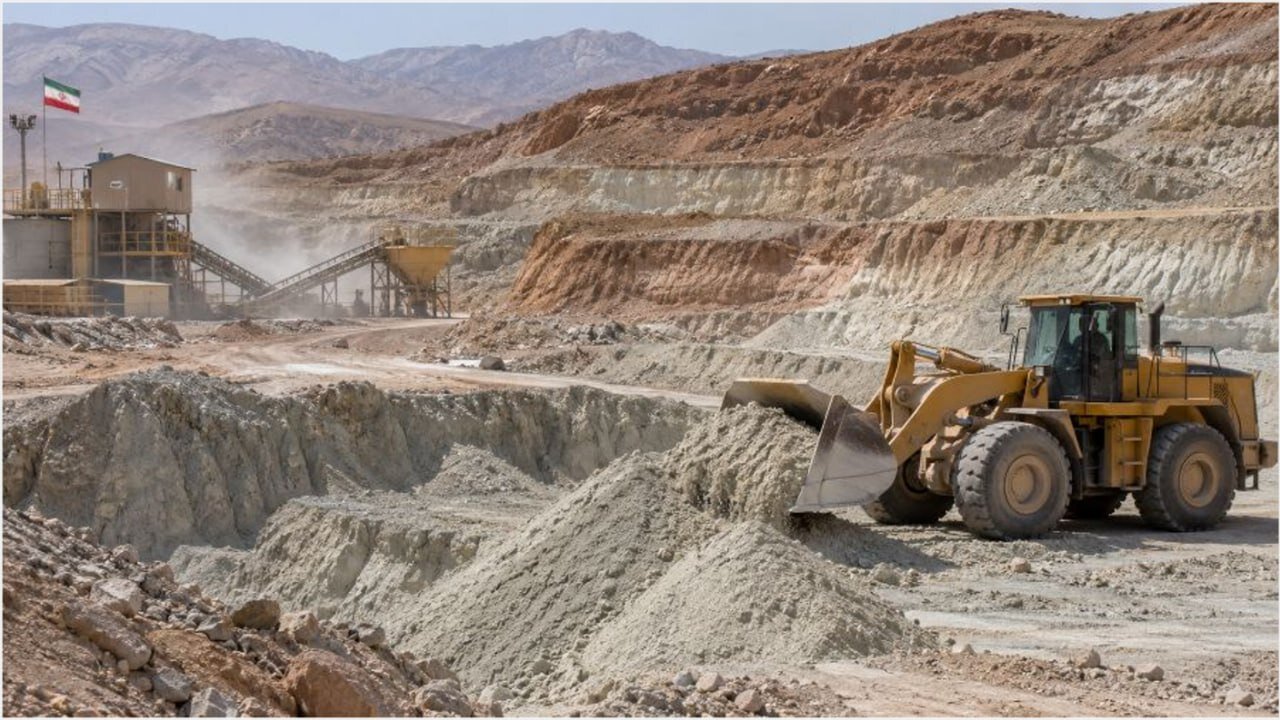
TEHRAN- This article examines Iran's bentonite industry, highlighting recent production data, major industrial applications, and export potential. It explores the role of bentonite in drilling fluids, foundry operations, construction, iron ore pelletizing, and absorbent products.
The article also explains key quality specifications, technical documentation, processing requirements, and supply chain considerations that international buyers should evaluate when sourcing bentonite from Iran.
Iran is an established producer of industrial minerals, including bentonite, a clay material used in manufacturing, engineering, and processing. According to the U.S. Geological Survey (USGS), Iran's bentonite production was estimated at 1.3 million metric tons in 2024, compared with 1.31 million metric tons in 2023 and 1.34 million metric tons in 2022.
USGS data also record production of 715,000 metric tons in 2020 and 1.15 million metric tons in 2021. These figures indicate the scale of domestic production, not export volumes. Domestic demand, processing capacity, product grade, and logistics determine what is available to international buyers.
Bentonite is a naturally occurring clay primarily composed of minerals from the smectite group, particularly montmorillonite. Its ability to absorb water, swell, bind particles, and form suspensions makes it useful across several industrial processes.
Sodium and calcium bentonite are two commercially important varieties.
