
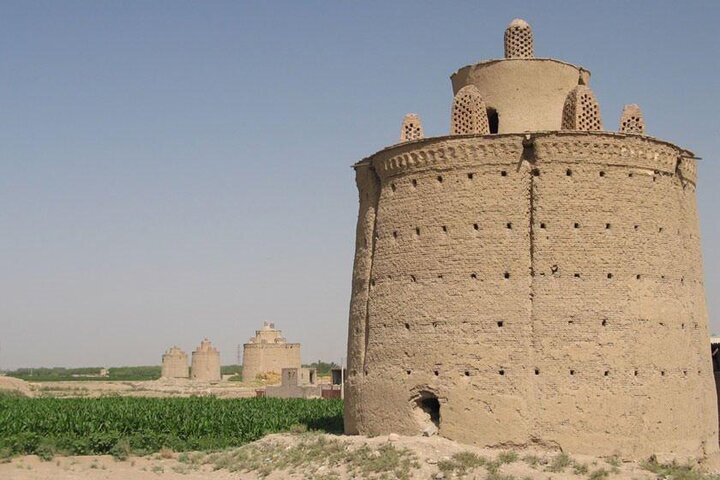
TEHRAN – Iran’s historic pigeon towers in Isfahan province could have the potential to be nominated for UNESCO World Heritage status, prompting renewed calls for comprehensive documentation, comparative research and stronger conservation measures to establish their significance on a global scale.
The towers, many dating from the Safavid era, are more than distinctive mud-brick structures built to shelter pigeons. They represent an ingenious combination of vernacular architecture, traditional agricultural technology and natural resource management that supported farming communities across Iran’s central plateau.
Alireza Izadi, director-general of the office for registration, preservation and rehabilitation of cultural heritage at the Ministry of Cultural Heritage and Tourism, raised the prospect of their international recognition during a meeting of the supreme council for the registration and buffer zones of immovable heritage in Falavarjan, Isfahan province, Mehr new agency reported on Saturday.
He described the pigeon towers as valuable heritage assets and called for a comprehensive nomination dossier to be prepared to facilitate their potential introduction to the international community.
Izadi also stressed the importance of documenting the climatic, historical and cultural characteristics of heritage sites, completing registration files and securing cooperation among government agencies, municipal authorities and the private sector to provide resources for conservation.
The prospect of a UNESCO nomination, however, raises important questions about what distinguishes Isfahan’s pigeon towers from comparable structures…
