

One of Madagascar’s largest bat species is showing a striking physical change, with researchers finding that its skulls have become approximately 6 per cent smaller over the past four decades. The findings, published in the Journal of Mammalogy on October 29, 2026, point towards a possible connection between shrinking body size and increased hunting pressure. The research, also reported by Science News and conservation-focused publications, raises fresh questions about how human activity is changing wildlife populations and threatening species already facing population decline. The Malagasy flying fox (Pteropus rufus), known for its impressive wingspan and fox-like facial features, is among the world's largest bats. Found across Madagascar, these fruit-eating mammals play an important ecological role by dispersing seeds and helping maintain forest ecosystems. The research was led by Emily Cornelius Ruhs and Steven Goodman of Chicago's Field Museum. To investigate the apparent change, the scientists examined 121 preserved specimens held in nine natural history museums across the United States and Europe. The specimens represented more than 150 years of the species' history. The team recorded measurements of 12 different features of the bats' skulls and teeth. Their analysis revealed that specimens collected before the 1980s had skulls that were, on average, 3.6 millimetres longer than those collected in subsequent decades. This represents a difference of approximately 6 per cent.Why hunting…
Bat Skulls Shrink Over Decades: Malagasy flying fox skulls are 6% smaller; commercial hunting may contribute
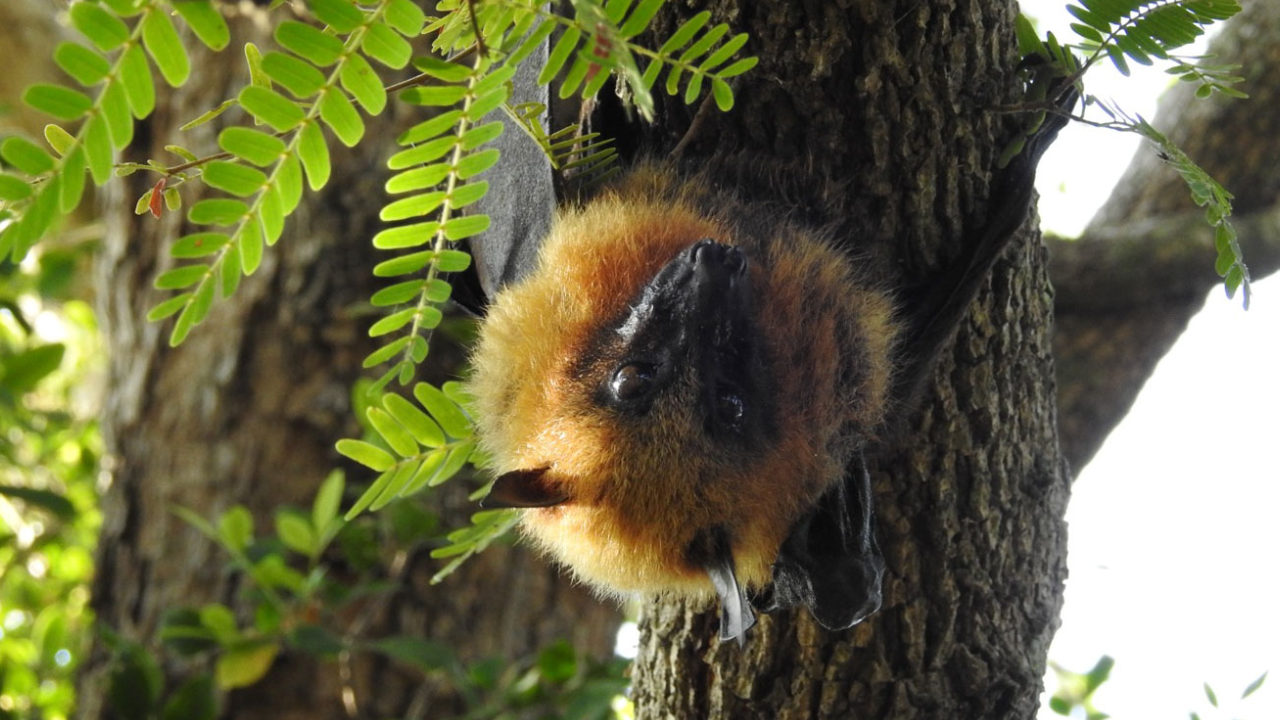
Studies show that the skulls of Malagasy flying foxes have become about six percent smaller over the past few decades. This reduction in size is likely attributed to factors such as commercial hunting and habitat loss due to deforestation. The decrease in larger individuals poses a threat to their reproductive success and population recovery.
In brief
One of Madagascar’s largest bat species is showing a striking physical change, with researchers finding that its skulls have become approximately 6 per cent smaller over the past four decades. The team recorded measurements of 12 different features of the bats' skulls and teeth. Their analysis revealed that specimens collected before the 1980s had skulls that were, on average, 3.6 millimetres longer than those collected in subsequent decades.
This is the opening of the story, shared with credit to The Times of India — World. The rest of the report — with every detail — continues on the publisher’s website.
Continue reading at The Times of India — World ↗