

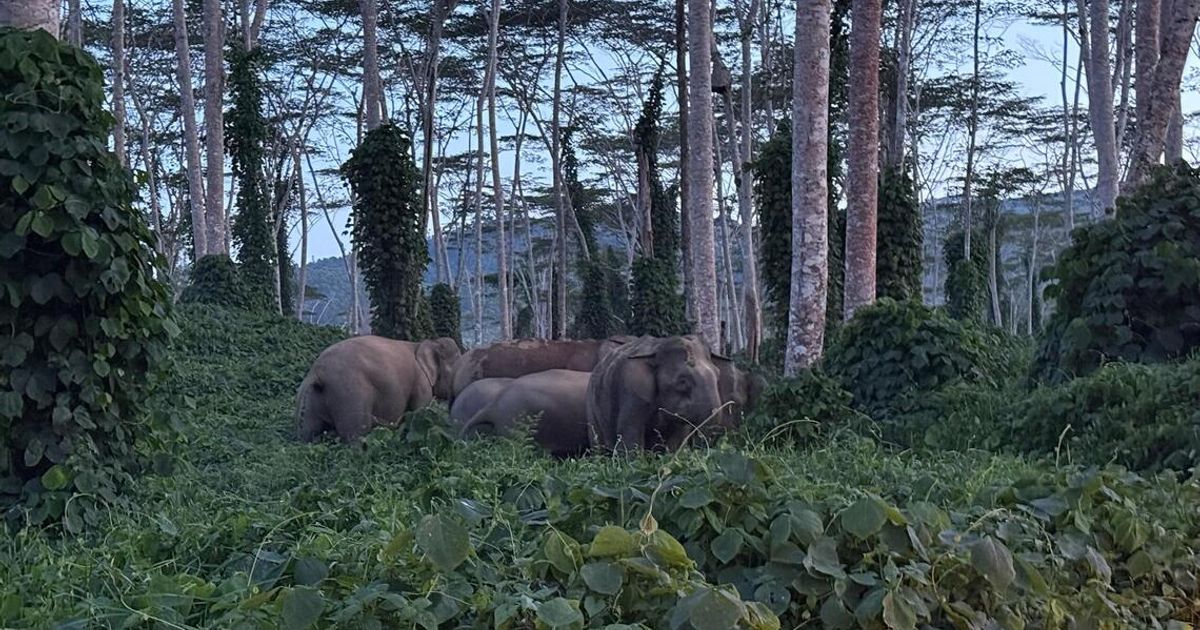
KUALA LUMPUR – Malaysia’s palm oil industry, whose activities have played a role in destroying Borneo’s ancient rainforests, has been funding conservation projects in a bid to improve its public image and comply with regulations.
Across eastern Sabah, projects are under way to rebuild the habitat of orangutans, create movement corridors for Borneo elephants and rehabilitate forests damaged by logging.
Yet conservationists warn that planting trees and funding isolated projects will not undo decades of environmental damage and that more thought needs to go into conservation efforts.
As plantations and other land uses divide once-connected forests, orangutans, Bornean elephants and other threatened species face shrinking habitats and greater difficulty moving between them. Restoring patches of forests without reconnecting them to larger habitats, experts say, may do little to secure the animals’ long-term survival.
The dilemma is particularly acute in Sabah, Malaysia’s largest crude palm oil-producing state on the island of Borneo, where plantations cover nearly 1.5 million ha, an area about 20 times the size of Singapore.
As international buyers demand stronger environmental safeguards, researchers said conservation must extend beyond individual estates to address how wildlife survives across the wider landscape.
“Current restoration efforts are making an important contribution, but at the scale of forest loss, are inadequate to address the full scale of historical habitat loss and fragmentation,”