Habitat loss is one of the most devastating consequences of rapid urbanisation and human expansion. As forests are cleared to make room for farms, roads and buildings, animals are left with fewer places to find food, water and shelter. And while we often imagine conservation as protecting vast stretches of untouched wilderness, sometimes, even a small patch of greenery can make a world of difference.Researchers tracking endangered Carnaby’s cockatoos in Western Australia have discovered just how important these overlooked pockets of nature can be. Their study found that tiny fragments of surviving native bushland act as stepping stones, helping the birds move between larger patches of habitat in landscapes that have been heavily cleared for agriculture. It is a reminder that when it comes to protecting wildlife, every little bit of nature counts.What did the researchers find?A team from Murdoch University's Harry Butler Institute, led by Dr Jill Shephard and Dr Zoë Kissane, wanted to understand how habitat loss and fragmentation affected the movement of Carnaby’s cockatoos during their breeding season.The researchers fitted GPS satellite tracking devices to 18 wild cockatoos across five inland breeding sites in Western Australia's Wheatbelt region. They then monitored the birds' movements throughout the breeding season to understand how far they travelled to find food and how the surrounding landscape influenced their journeys.The findings revealed…
Researchers track Carnaby's cockatoos in Western Australia; find native habitat helps in conservation
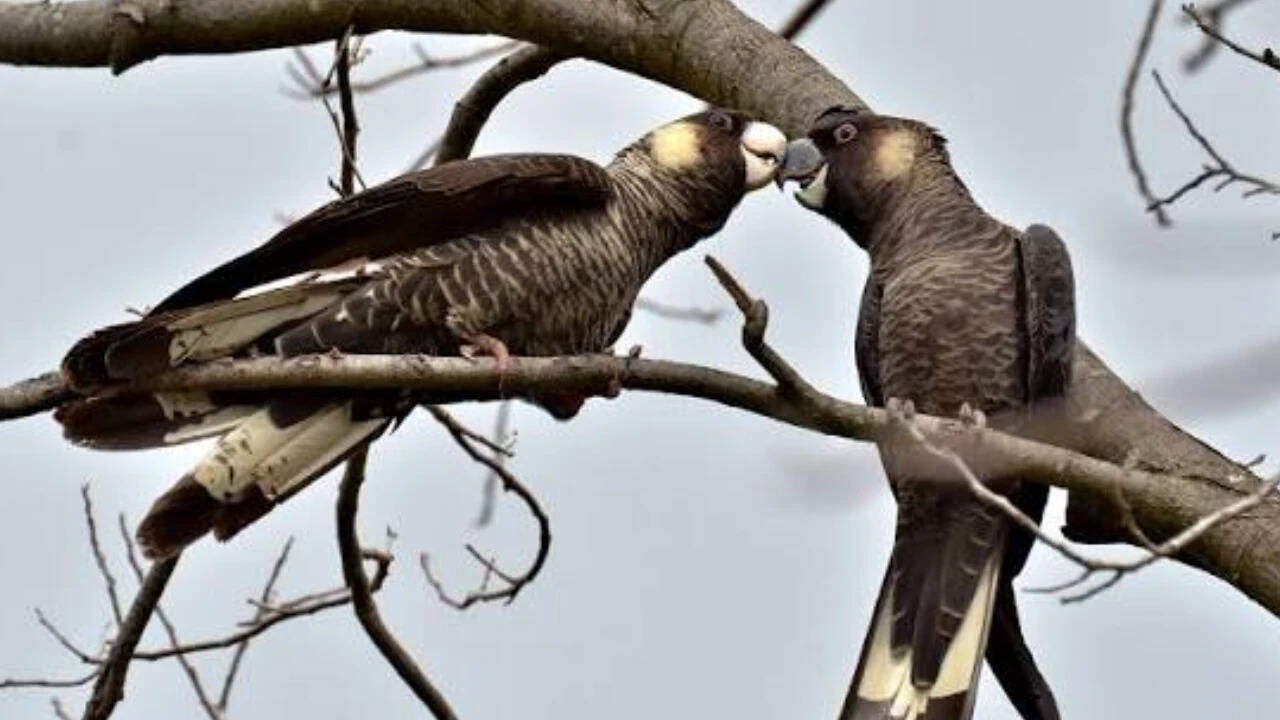
Urbanization is significantly impacting the habitats of Carnaby's cockatoos in Western Australia. Research indicates that these birds are forced to travel longer distances in search of food across divided landscapes. Even minor patches of native vegetation play a vital role as connections between larger habitats. It's essential for conservation initiatives to prioritize these smaller areas to safeguard wildlife.
In brief
Habitat loss is one of the most devastating consequences of rapid urbanisation and human expansion. It is a reminder that when it comes to protecting wildlife, every little bit of nature counts.What did the researchers find?A team from Murdoch University's Harry Butler Institute, led by Dr Jill Shephard and Dr Zoë Kissane, wanted to understand how habitat loss and fragmentation affected the movement of Carnaby’s cockatoos during their breeding season.The researchers fitted GPS satellite tracking devices to 18 wild cockatoos across five inland breeding sites in Western Australia's Wheatbelt region.
This is the opening of the story, shared with credit to The Times of India — World. The rest of the report — with every detail — continues on the publisher’s website.
Continue reading at The Times of India — World ↗