Modern iGPUs are surprisingly capable, but they aren’t without limitations.
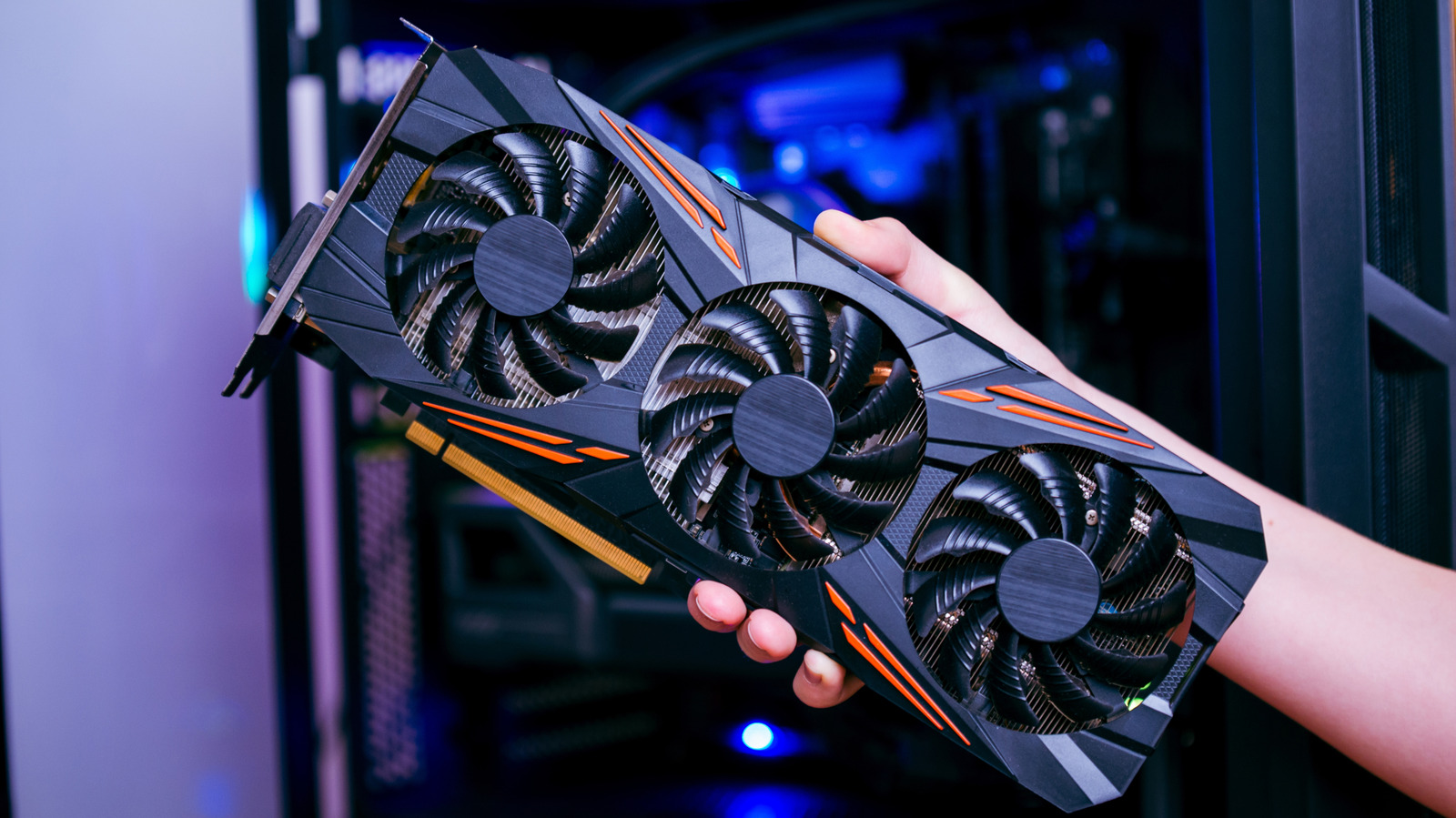
A discrete graphics card is often the most expensive component in desktop computers, especially in gaming-focused builds. Besides driving a display, dedicated graphics cards also accelerate productivity-focused tasks like high resolution video editing, loading and running local LLMs or playing high-fidelity video games. While discrete graphics cards provide big performance uplifts to desktop computers, they aren't necessarily devoid of drawbacks.
If all you do on your computer is browse the web, stream media and play casual games, investing in a dedicated GPU might be unnecessary, and that doesn't even count buying a compatible PSU to power the card itself. Instead, you can look toward integrated graphics, as modern iGPUs are quite competent at offering a solid desktop experience, including light productivity, seamless media encoding and decoding and even casual gaming. As the name suggests, an integrated GPU is built into the same processor package and shares memory bandwidth with the CPU, unlike dedicated GPUs that have their own VRAM.
If you're on the fence deciding between getting a dedicated GPU or an iGPU, ask yourself if the additional power is something you actually need. If your current computing needs don't involve demanding workloads, a modern iGPU, like the AMD Radeon 780M, should easily fulfill your daily computing demands.