Japan’s real gross domestic product was virtually flat from July to September compared with the previous quarter, according to preliminary data released on Monday by the Cabinet Office.This came in below forecasts for a 0.1% expansion and was well down from the 0.4% recorded in the previous three months.On an annualised basis, the economy shrank by 0.1%, against expectations of 0.2% growth.Higher oil prices pushed up costs for businesses and households. Japan, which imports virtually all its oil, has been hit hard by the surge in prices caused by the Iran war. Shipping through the Strait of Hormuz, a major route for oil shipments, has been severely disrupted since the outbreak of the war.Meanwhile, the weak yen is adding to the problem of rising energy prices, making imports more expensive. The US dollar has recently traded at about 160 yen, up from below 115 yen five years ago.Inflation, excluding fresh food, rose to 2.1% in September, up from 1.7% in August and above the Bank of Japan’s 2% target.Real private consumption fell by 0.3% quarter on quarter, matching the decline in the previous three months. Bad weather likely also played a part, “as typhoons and heavy rain kept consumers away from shops”, according to Taro Kimura of Bloomberg Economics.Net exports knocked 0.6 percentage points off growth as imports rose 2.5%…
Japan’s economy stalls as inflation weighs on growth
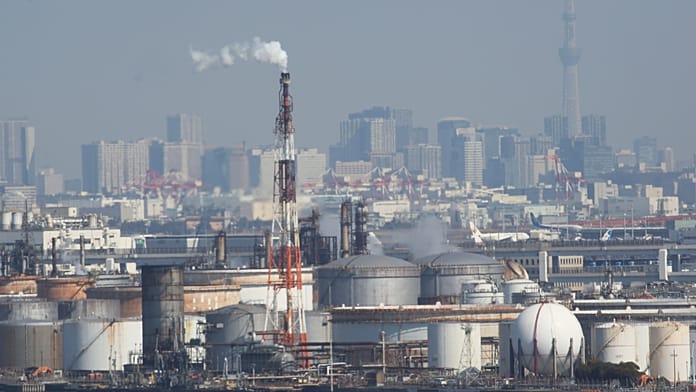
Japan’s economy stalled in the third quarter as Iran war-fuelled inflation, bad weather and an earthquake weighed on growth. Analysts still expect the Bank of Japan to raise interest rates again in December.
In brief
Japan’s real gross domestic product was virtually flat from July to September compared with the previous quarter, according to preliminary data released on Monday by the Cabinet Office.This came in below forecasts for a 0.1% expansion and was well down from the 0.4% recorded in the previous three months.On an annualised basis, the economy shrank by 0.1%, against expectations of 0.2% growth.Higher oil prices pushed up costs for businesses and households.
This is the opening of the story, shared with credit to Euronews. The rest of the report — with every detail — continues on the publisher’s website.
Continue reading at Euronews ↗