

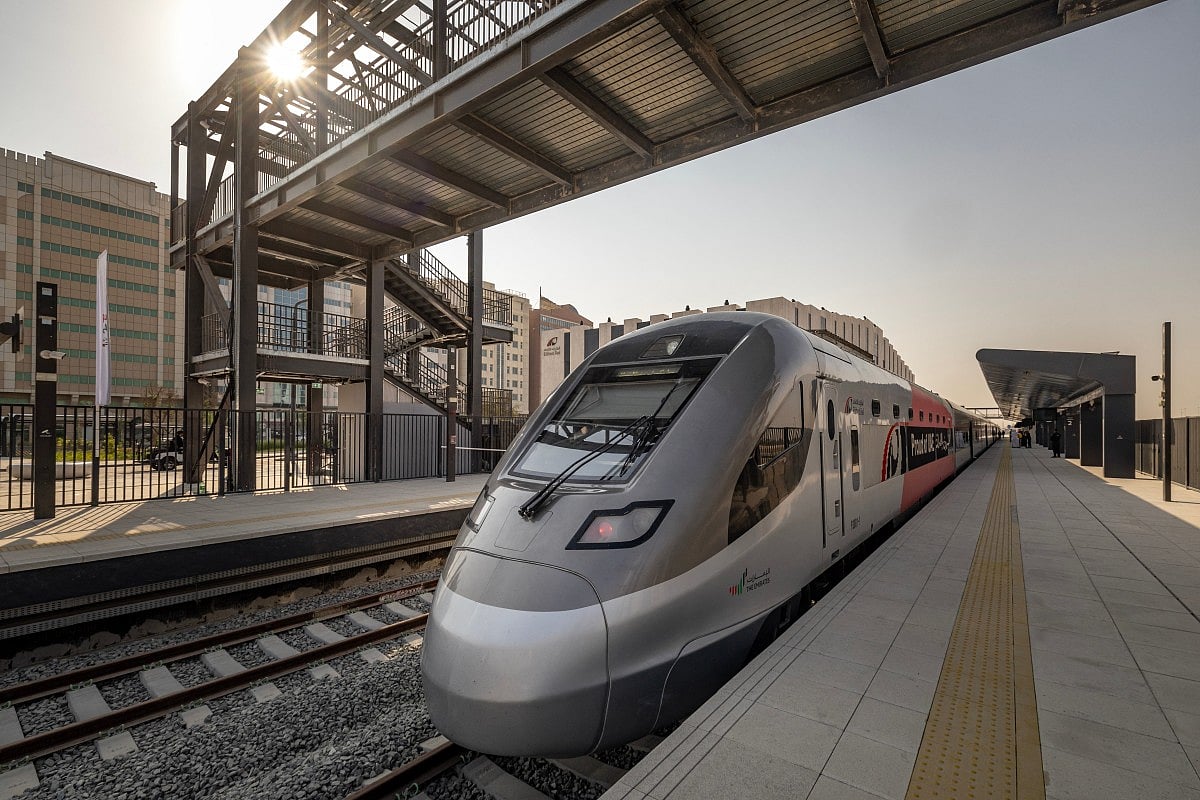
The freight trains that have been crossing the UAE’s deserts for years now share their tracks with a new passenger service and before the decade is out, they will share a network with the line joining the GCC states. The next question for the region’s railways is not how much more steel to put in the ground but how to keep the steel already invested operational for the next 50 years.
The default answer is the one most railways still rely on: maintenance governed by the calendar and the tonnage count, with inspection crews walking the line between fixed dates. The model served the industry well for more than a century, but it was designed for networks that are no longer the norm: ones with lighter traffic, longer night-time maintenance windows and cooler climates.
The new Gulf networks have an opportunity: they can inherit the old fixed maintenance schedule model or they can build something new.
Building something new
They should build something new and the primary reason is economic. A crack in the line found a month before a planned maintenance walk, confirmed by an inspector, planned into a quiet overnight shift, costs a fraction of the same crack found at 4am with a stopped train and a closed line behind it.