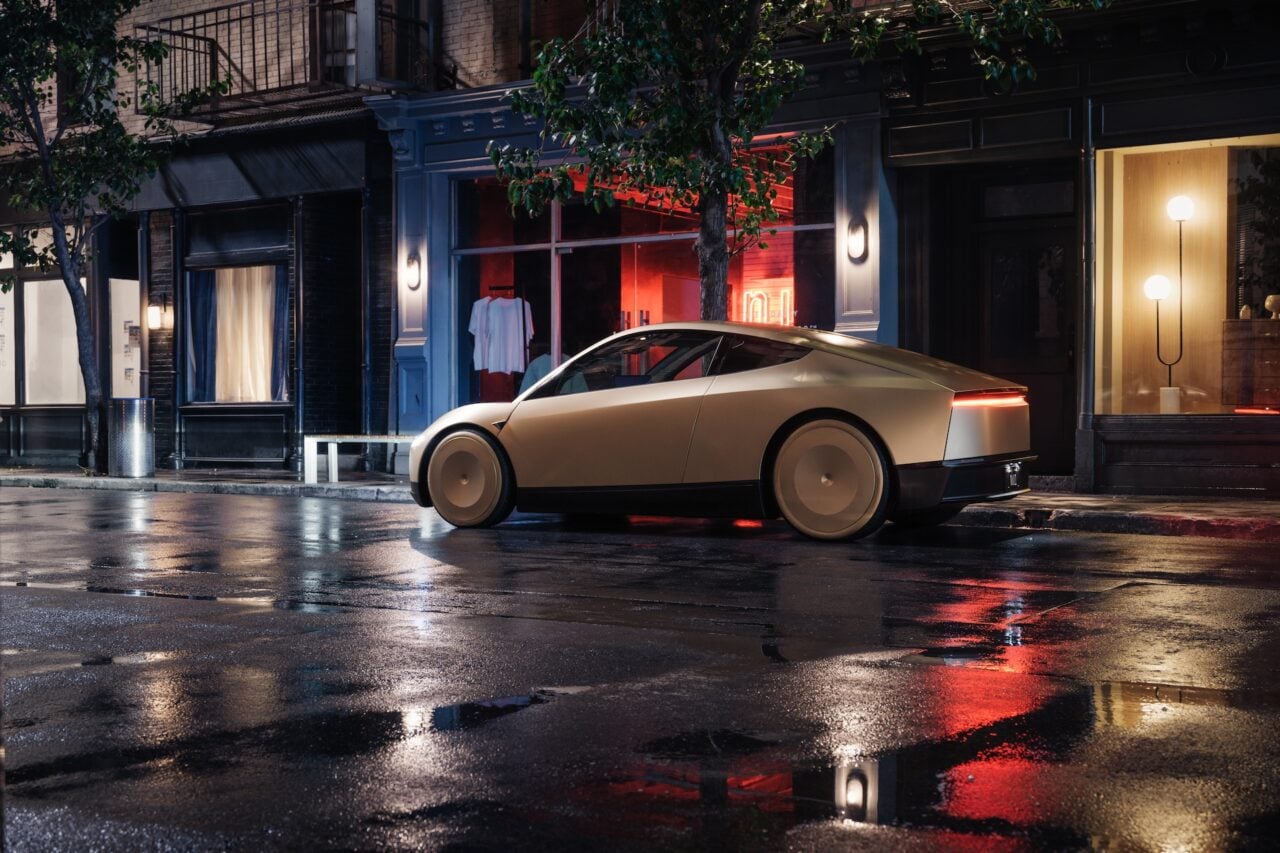
Tesla says it intends to build up to 1 million Cybercabs a year at its Gigafactory near Berlin. But as of now, regulations across Europe still drastically limit how many Cybercabs can actually hit the road.
André Thierig, who oversees Tesla’s Gigafactory in Germany, announced Monday that the company plans to invest 3 billion euros ($3.3 billion) in a factory expansion that will include a new production building for Cybercabs.
In a LinkedIn post, written in German, Thierig said construction is expected to begin in the first half of 2027, with Cybercab production starting in 2029. From there, Tesla plans to eventually ramp up production of its self-driving EV to as many as 1 million vehicles a year.
Thierig said this would be “the most technologically advanced factory of all Tesla Gigafactories worldwide,” according to a translation of the post.
Still, even if Tesla manages to hit those figures, the company faces major regulatory hurdles in Germany and beyond.
For instance, Electrek points out that the European Union’s current small-series approval program for fully driverless vehicles limits registrations to 1,500 per vehicle type annually across the entire bloc. The EU lifted that restriction for automated valet parking earlier this year, but the exemption does not extend to robotaxis.