📰 Newspapers

Medical students should ‘learn the hard way,’ AI startup CEO says

Medical students should ‘learn the hard way,’ AI startup CEO says

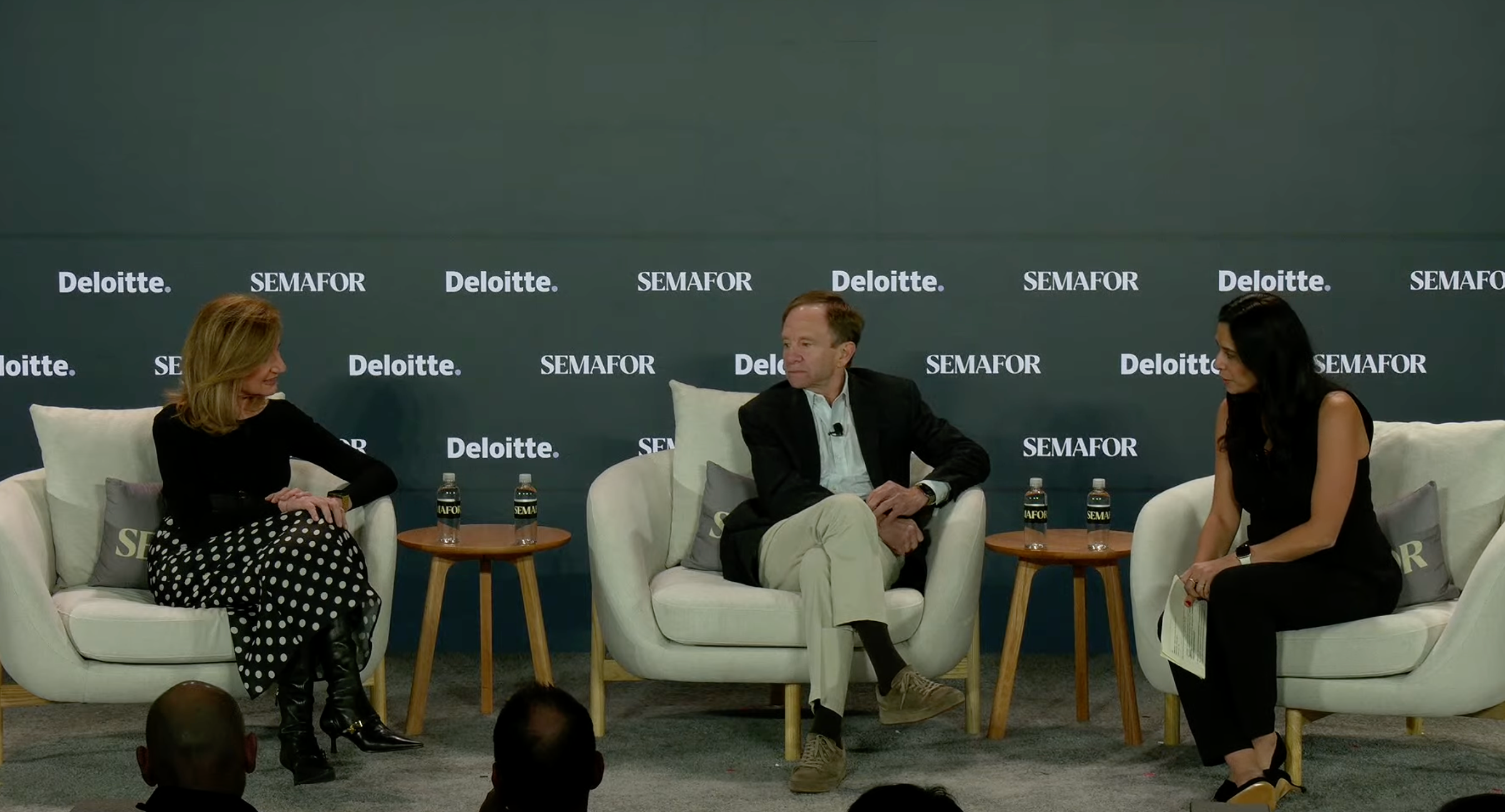
Cognitive offloading is “really acute,” OpenEvidence CEO Daniel Nadler said at Semafor’s Silicon Valley & The World.

The CEO of a major medical AI startup said on Monday that medical students should do paper exams and master the material, even if they also use AI.

“The risk of cognitive offloading is really, really acute,” OpenEvidence CEO Daniel Nadler said at Semafor’s Silicon Valley & The World. He would advise students to “train classically, learn classically, learn the hard way, do paper exams, do paper tests, make sure you actually know it,” he told Semafor’s Mohammed Sergie.

Nadler’s company aims to cover a niche within the medical business, synthesizing complex medical information with AI trained on millions of medical papers. The startup has hit a $15 billion valuation on the promise that AI can condense the complexities of the medical field into information palatable to physicians.

The threat of cognitive offloading, or deskilling, is real. Early studies have found that deferring work to AI can weaken neural networks, leading to lower cognitive performance. Nadler says the concern is especially pressing for younger generations, those who have grown up in academic environments with access to AI.

He noted that all of his company’s engineers use “dozens and dozens of AI buddies.”

Benjamine Liu, the CEO of Formation Bio, which uses AI to accelerate drug development, also noted onstage on Monday that in the pharmaceutical industry “AI systems can begin…

In brief

The CEO of a major medical AI startup said on Monday that medical students should do paper exams and master the material, even if they also use AI. He would advise students to “train classically, learn classically, learn the hard way, do paper exams, do paper tests, make sure you actually know it,” he told Semafor’s Mohammed Sergie. Nadler’s company aims to cover a niche within the medical business, synthesizing complex medical information with AI trained on millions of medical papers.

This is the opening of the story, shared with credit to Semafor. The rest of the report — with every detail — continues on the publisher’s website.

Continue reading at Semafor ↗

Cookie settings

Choose which cookies we may use. You can change this at any time from Cookie settings in the footer. Details of each cookie are in the Cookie Policy.

Strictly necessary

Needed for sign-in, security, payments and remembering these choices. Always on.

Preferences

Remember settings such as dark mode.

Analytics & performance

Help us count visits, understand which pages, devices and countries our readers use, and measure how well the site performs – anonymous and aggregated.

Advertising & marketing

Lets advertising partners show and personalise adverts, measure impressions, clicks and visits, prevent ad fraud and pay us – this is how the free site is funded.

🔔 News notifications

Get headlines from NewsHub on this device — even when the site is closed.

You can switch this off at any time. Works on Android, Windows, Mac and Linux browsers; on iPhone/iPad add the site to your Home Screen first.