

About 2,000 people have caught measles so far this year in the European Union and nearby countries, EU health data shows.The region is on track to record far fewer measles cases in 2026 than in 2025, according to provisional data from the European Centre for Disease Prevention and Control (ECDC). The agency has published reported cases in the EU, Iceland, Liechtenstein and Norway — the European Economic Area — through September 2026.While figures for this year are likely to rise, the gap between 2025 and 2026 is wide. In the 12 months ending in September 2026, there were 2,325 measles cases, compared with 10,195 from the same period a year earlier, covering October 2024 to September 2025.Even so, some countries are seeing sharp outbreaks this year.Bulgaria and Italy have recorded around 600 measles cases each. In Italy, the number of cases has been steadily falling since April, when the country recorded 173 measles infections.In Bulgaria, which saw just two cases in all of 2025, health officials say falsified immunisation records are playing a role in the outbreak. In one hard-hit region, about 60% of “vaccinated” children had no antibodies against measles, mumps or rubella, the three diseases covered by the vaccine.No measles deaths have been reported in the EEA region as of September, ECDC data shows.Measles is cropping up in…
Measles in Europe: Which countries have the most cases this year?
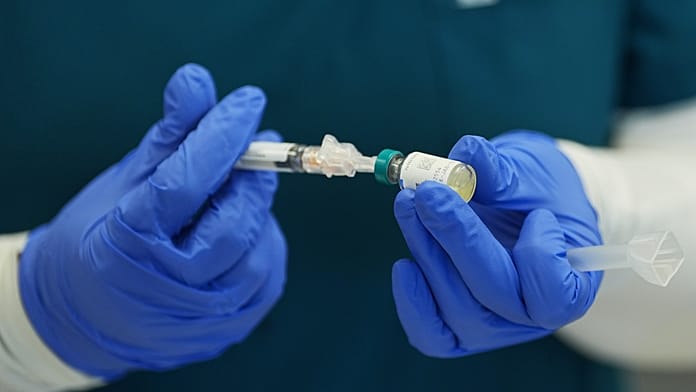
Measles cases are falling in Europe, but there are exceptions.
In brief
About 2,000 people have caught measles so far this year in the European Union and nearby countries, EU health data shows.The region is on track to record far fewer measles cases in 2026 than in 2025, according to provisional data from the European Centre for Disease Prevention and Control (ECDC). In one hard-hit region, about 60% of “vaccinated” children had no antibodies against measles, mumps or rubella, the three diseases covered by the vaccine.No measles deaths have been reported in the EEA region as of September, ECDC data shows.Measles is cropping up in…
This is the opening of the story, shared with credit to Euronews. The rest of the report — with every detail — continues on the publisher’s website.
Continue reading at Euronews ↗