

In the mountains of the Tashkent region, the landscape changes with every turn. At Urungach, the lower lake takes on an emerald hue as water gathers in spring and recedes by summer. Further along, Chimgan draws hikers and skiers, while Charvak Reservoir offers boat trips beneath the surrounding ridgelines.Together, these places offer different ways to explore the region’s mountains, from walking remote trails to spending time by the water.Urungach’s changing emerald lakeKnown for its jade-coloured water, Urungach attracts visitors looking for a distinctive mountain landscape. The smaller lake, also called Jade Lake, sits among rugged rock formations and steep terrain, with a larger lake above it.According to Efrat Turaboyev, a representative of the tourism department, the smaller lake is around 180 metres long and reaches a depth of 16.5 metres at its deepest point. Water flows into it from the upper lake through underground channels, as well as from nearby mountain streams.The water level changes throughout the year. It generally rises in April, reaching its highest point during spring, before receding around the middle of June. The cycle repeats the following year, giving the lake a different appearance depending on when visitors arrive.The main visitor season runs from mid-April to June. Daily numbers can range from around 50 to 500 people, with weekends generally busier than weekdays.For visitors from Germany…
Uzbekistan’s mountain lakes and trails draw visitors in every season
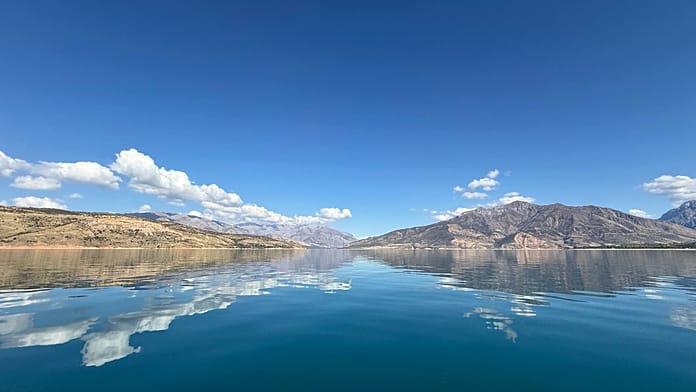
Emerald lakes, mountain trails and boat trips offer different ways to experience the Tashkent region, where seasonal landscapes and growing tourism are bringing more visitors into the mountains.
In brief
In the mountains of the Tashkent region, the landscape changes with every turn. At Urungach, the lower lake takes on an emerald hue as water gathers in spring and recedes by summer. Water flows into it from the upper lake through underground channels, as well as from nearby mountain streams.The water level changes throughout the year.
This is the opening of the story, shared with credit to Euronews. The rest of the report — with every detail — continues on the publisher’s website.
Continue reading at Euronews ↗