

Zambian pastor Jeff Mulenga told The Media Line that he kept asking the same questions as his group traveled through the north of Israel: “Where are the people? Where are the residents…?” His guide told him the area had been evacuated during the war after October 7.On his first visit to Israel, Mulenga participated in the Unfinished Business Pilgrimage, a delegation led by the Black Christian Leadership Council on Israel Relations and organized with Israel's Foreign Ministry, which provided most of the funding, according to Jewish News Syndicate (JNS). The ministry said the delegation consisted of 500 people, including 75 Christian leaders from 10 African countries. According to JNS, about 30 American rabbis were also expected to join the trip.The organizers drew inspiration from a trip Martin Luther King Jr. had planned for 1967 to bring Black churches in the United States and Africa into closer contact with Israelis and Jewish communities.King had intended to lead a pilgrimage to Israel and Jordan in November 1967. After the Six-Day War, he wrote to El Al in September 1967 to cancel the trip, citing regional tensions and concern for the group's safety. He left open the possibility of going in 1968 but was assassinated in April of that year.
Nearly 60 years after MLK's canceled Israel trip, Black Christian leaders follow his vision
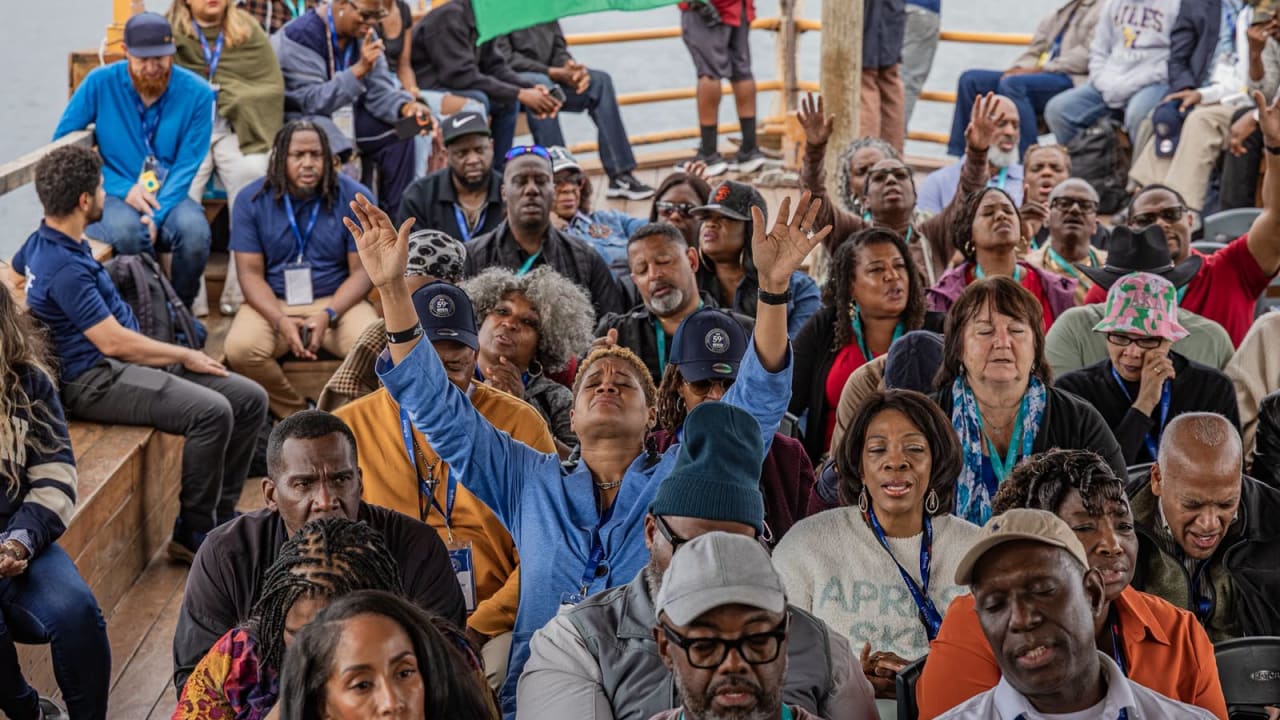
Pastors from the US and Africa visited Christian holy sites, heard accounts of the war, and met members of Jewish communities in Israel.
In brief
Zambian pastor Jeff Mulenga told The Media Line that he kept asking the same questions as his group traveled through the north of Israel: “Where are the people? His guide told him the area had been evacuated during the war after October 7.On his first visit to Israel, Mulenga participated in the Unfinished Business Pilgrimage, a delegation led by the Black Christian Leadership Council on Israel Relations and organized with Israel's Foreign Ministry, which provided most of the funding, according to Jewish News Syndicate (JNS).
This is the opening of the story, shared with credit to The Jerusalem Post. The rest of the report — with every detail — continues on the publisher’s website.
Continue reading at The Jerusalem Post ↗