Something interesting is happening on Nairobi’s dance floors. Somewhere between the latest Arbantone releases, familiar Genge beats, and early-2000s dancehall anthems, a generation is rediscovering the music that shaped an earlier era.
And it is not just millennials revisiting old favourites. Younger audiences, many of whom were too young to experience the original Y2K era, are finding their own connection to its sounds, style and culture.
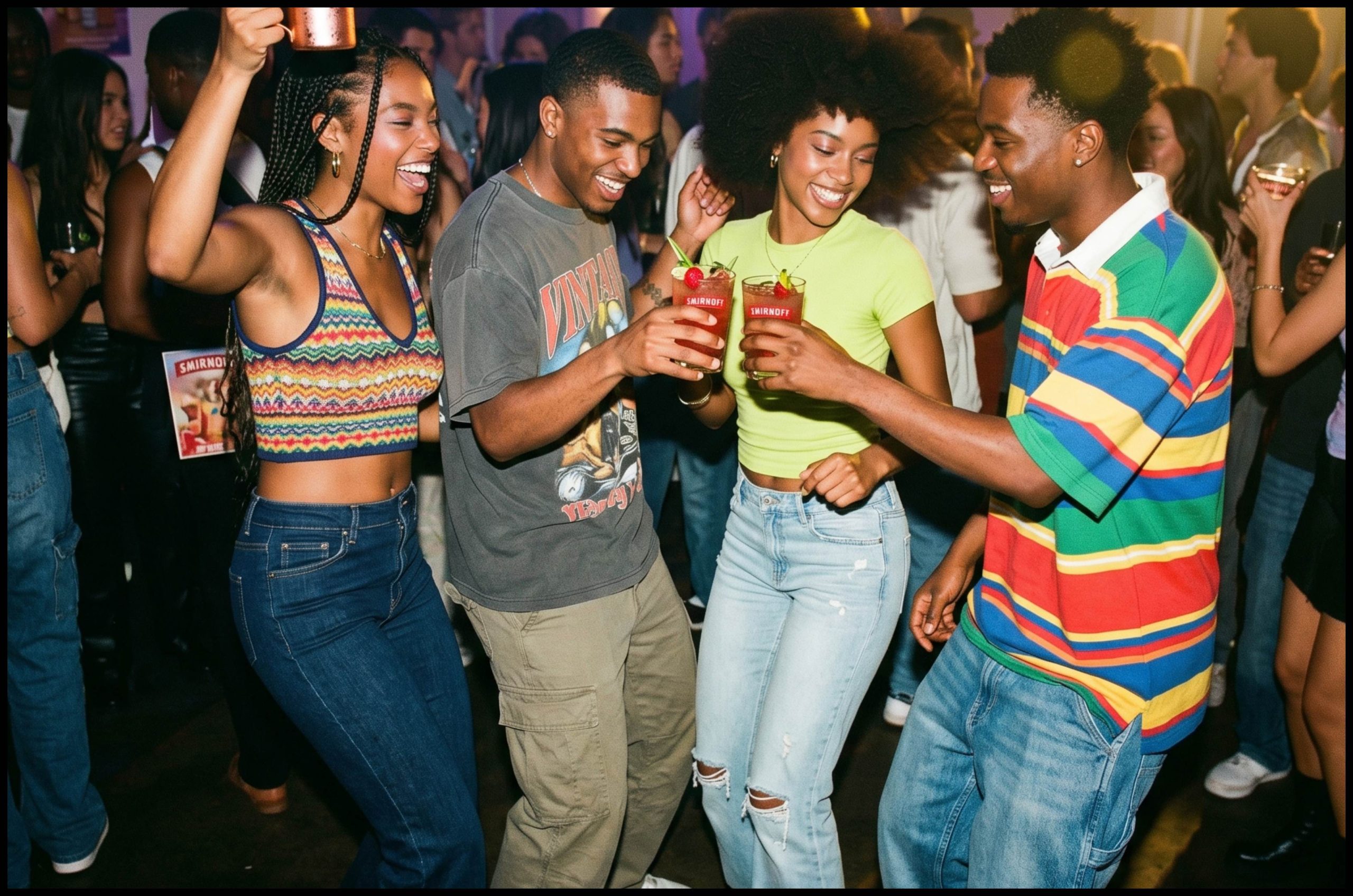
The return of the 2000s is part of a wider cultural revival. From fashion and photography to music and nightlife, the Y2K aesthetic has found a new audience, fuelled in part by social media and a growing appetite for nostalgia.
But beyond low-rise jeans, oversized tracksuits, baby tees and vintage accessories, something more interesting is happening: a renewed appreciation for the cultural expressions that defined the period.
In Nairobi, this revival has taken on a distinctly local character. The city’s thrift culture, particularly around markets such as Gikomba and Toi, has become part of the appeal, with young fashion enthusiasts finding and reworking pre-loved pieces into contemporary looks.
It gives the trend a local identity while making personal style less dependent on constantly buying into the latest fashion cycle.
Yet, if fashion provides the visual language of the Y2K revival, music is arguably its most compelling expression.