Germany's governing parties have agreed to cut electricity tax for all consumers to the EU minimum from 1 January 2027. The deal took eight hours of talks, not the swift agreement Chancellor Friedrich Merz had announced.The levy will fall from 2.05 cents to 0.1 cents per kilowatt-hour. The agreement came out of the coalition committee, which brings together leaders of Merz's conservative CDU/CSU alliance and the centre-left Social Democrats (SPD).A new fuel discount, or cap on petrol prices, will also come into force on the same date, replacing the current one.Markus Söder, leader of the CSU, the Bavarian sister party of Merz's CDU, wrote on X on Wednesday morning: "As promised! The electricity tax will fall from 1 January 2027 for all households and businesses to the European minimum. This will now relieve everyone, including families, pensioners and all small and medium-sized businesses. And the fuel price cap will also come on 1 January. Mobility must remain affordable. The CSU keeps its word!"The post could be read as a dig at the CDU. Merz had recently come under pressure within his own party after promising the electricity tax cut but initially failing to push it through.On Wednesday morning, Merz said: "I thank the members of the coalition committee for following my proposal to reduce the electricity tax.
Germany cuts energy tax and extends fuel price cap in 2027
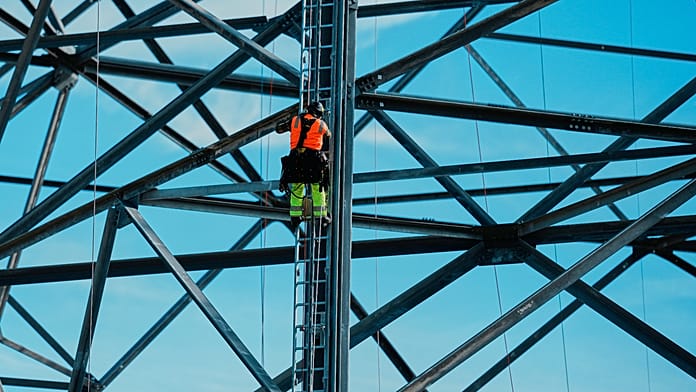
Families could save around €8 a month, as Berlin also renews its commitment to keep petrol affordable.
In brief
Germany's governing parties have agreed to cut electricity tax for all consumers to the EU minimum from 1 January 2027. The electricity tax will fall from 1 January 2027 for all households and businesses to the European minimum. And the fuel price cap will also come on 1 January. Merz had recently come under pressure within his own party after promising the electricity tax cut but initially failing to push it through.On Wednesday morning, Merz said: "I thank the members of the coalition committee for following my proposal to reduce the electricity tax.
This is the opening of the story, shared with credit to Euronews. The rest of the report — with every detail — continues on the publisher’s website.
Continue reading at Euronews ↗