“Human” has been selected by Cambridge Dictionary as its 2026 Word of the Year. It's a surprisingly familiar word, but one which reflects growing fears regarding AI and concerns linked to identity, creativity and what makes us unique in an increasingly AI-driven world. Cambridge Dictionary's 2026 pick reflects the backlash to the divisive technology, as well as the ongoing debate over how artificial intelligence continues to blur the lines between machines and people.“AI is changing how we talk about being human,” said Colin McIntosh, the dictionary’s lexicographer. “Fears about what humans may lose when we outsource our thinking have made us reconsider the extent to which we rely on AI: from top mathematicians to teachers of young children.” The word, derived from the Latin “humanus”, is defined by Cambridge as “having the qualities, faults and feelings that people have, as opposed to gods, animals or machines.” The dictionary cited public interventions by intellectuals such as AI pioneer and Nobel laureate Geoffrey Hinton, who said: “We’re creating alien beings. I’m willing to be selfish and choose humans." "AI brings us back to questions that we've asked for millennia - who are we? What does it mean to be human?" said Prof Rachel Adams, an expert on AI governance and human rights at the University of Cambridge.
'Human': Cambridge Dictionary's Word of the Year 2026 tackles ongoing AI fears
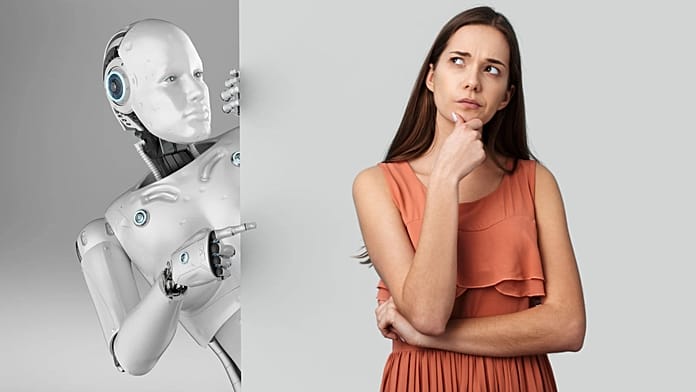
Amid the global and controversial debate surrounding artificial intelligence in daily life, Cambridge Dictionary has crowned “human” as its Word of the Year for 2026.
In brief
“Human” has been selected by Cambridge Dictionary as its 2026 Word of the Year. Cambridge Dictionary's 2026 pick reflects the backlash to the divisive technology, as well as the ongoing debate over how artificial intelligence continues to blur the lines between machines and people.“AI is changing how we talk about being human,” said Colin McIntosh, the dictionary’s lexicographer. What does it mean to be human?" said Prof Rachel Adams, an expert on AI governance and human rights at the University of Cambridge.
This is the opening of the story, shared with credit to Euronews. The rest of the report — with every detail — continues on the publisher’s website.
Continue reading at Euronews ↗