

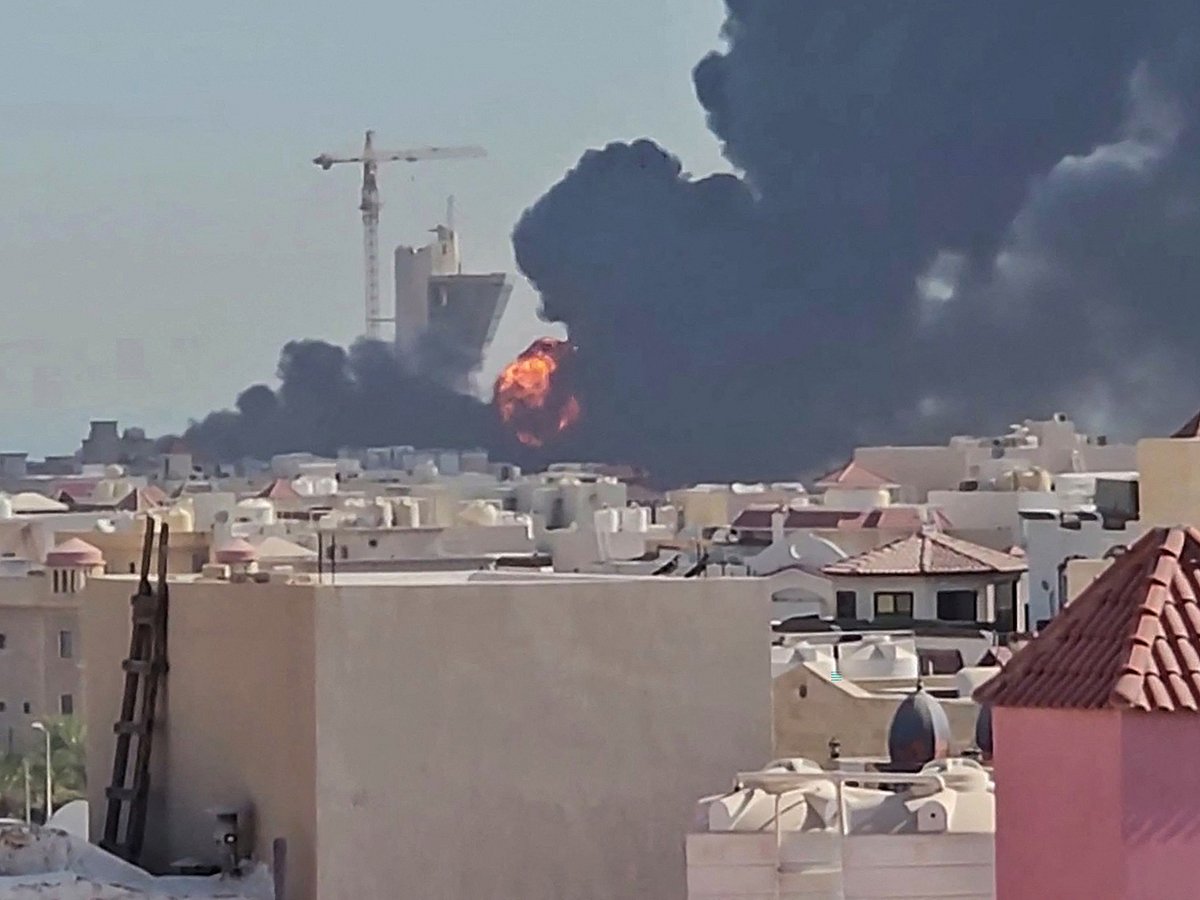
Dubai: President Donald Trump is holding back from another full-scale offensive against Iran, but Tehran’s increasingly defiant posture following his Republican Party’s midterm election defeat is raising the stakes for Gulf countries already bearing the consequences of the nine-month conflict.
Iranian attacks on Kuwait and Bahrain, alongside renewed threats to commercial shipping in the Strait of Hormuz, have continued even as Washington pursues economic pressure and limited military strikes rather than another major bombing campaign.
Iranian leaders have been emboldened by electoral setbacks suffered by Trump’s Republicans and Israeli Prime Minister Benjamin Netanyahu. Rather than soften their position, they are demanding that Washington make the first move towards ending the conflict.
For Gulf states seeking stability, the dilemma is stark: American restraint has not stopped Iranian attacks, while diplomatic efforts remain deadlocked.
Iran widens attacks
Iran’s military said its drones targeted US installations at Ali Al Salem Air Base in Kuwait on Wednesday, after American forces struck a Revolutionary Guards missile launch site on Qeshm Island in the Strait of Hormuz.
Kuwait said its air defences responded to hostile drones, while Bahrain reported another Iranian aerial attack — the fourth in six days.
The US strike on Qeshm followed an Iranian claim that its drones had targeted an American radar installation at Bahrain’s Sheikh Isa Air Base.