You can find tests to screen for dozens of health conditions online — but many of them make baseless and potentially harmful claims, a new analysis has found.Researchers in the United Kingdom analysed 50 health tests that were advertised online, including tests for the gut microbiome, blood counts, genetics, liver and lung function and cortisol levels, as well as pelvic and breast examinations, chest X-rays and ultrasounds.Advertisers were both online retailers and in-person clinics. Prices ranged from £6.99 (€8.36) for an at-home “kidney albumin rapid test” to £14,000 (€16,751) for a “platinum assessment” that offered multiple tests, imaging and a physical exam. Some clinics offered a luxury hotel or spa package on top, with celebrities or influencers offering endorsements for other tests.Yet many of these tests made unsubstantiated claims or offered screening that is not recommended by national health authorities, according to the study, which was published in the journal BMJ Open.Sixteen tests claimed, without evidence, that they could help people live longer, while 36 promised earlier diagnosis and better health outcomes. Only 15 tests explained the potential downsides of testing, such as inaccuracy or risks from intimate physical exams.In one example, a retailer cited death rates from a particular disease, saying they “could have been detected by one of our … health assessments.
Consumer screening tests make baseless health claims, UK study finds
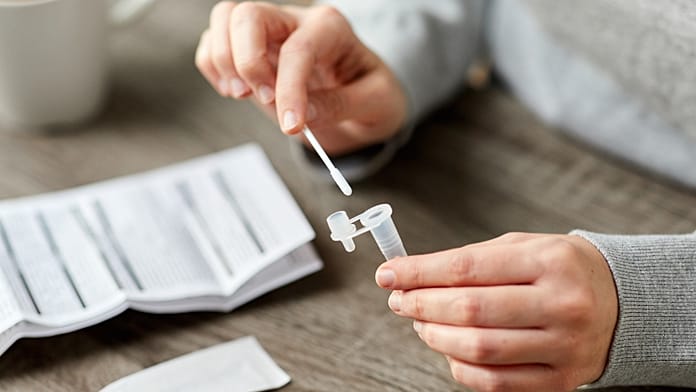
Easy access to dubious health tests should be considered a “patient safety issue,” researchers said.
In brief
You can find tests to screen for dozens of health conditions online — but many of them make baseless and potentially harmful claims, a new analysis has found.Researchers in the United Kingdom analysed 50 health tests that were advertised online, including tests for the gut microbiome, blood counts, genetics, liver and lung function and cortisol levels, as well as pelvic and breast examinations, chest X-rays and ultrasounds.Advertisers were both online retailers and in-person clinics.
This is the opening of the story, shared with credit to Euronews. The rest of the report — with every detail — continues on the publisher’s website.
Continue reading at Euronews ↗