

Food, water, and cash. Grab-and-go bags stocked with documents and medicines. Evacuation plans and practical skills, such as cooking without electricity and first aid. This is how the European Commission’s new crisis guidelines advise citizens to be self-sufficient during the first 72 hours when cyber or drone attacks sabotage critical infrastructure and natural disasters disrupt transport and communication networks. But few people are ready for a crisis breaking out today. The University of Latvia’s 2026 Baltic Individual Crisis Preparedness Barometer, which surveyed residents in 10 European cities across 8 Northern and Eastern EU countries (plus Iceland and Norway), found that just 8% feel quite or completely prepared. 44% plan to improve their preparedness within six months. Preparedness today Self-sufficiency during the first 72 hours of a crisis is crucial, as “it reduces the pressure on emergency services and allows them to focus on those most in need,” Hadja Lahbib, EU Commissioner for Equality, Preparedness and Crisis Management, told Euronews. Yet the Baltic Individual Crisis Preparedness Barometer shows that at least half of residents in every surveyed city feel unprepared today. Dr. Ieva Birka, the Barometer's lead researcher, is not surprised. What surprises her is that nothing is changing. “Preparedness has never been talked about more: there are national brochures, EU guidance and constant media coverage. Yet households’
Europe wants households ready for crises. But what if you can't prepare?
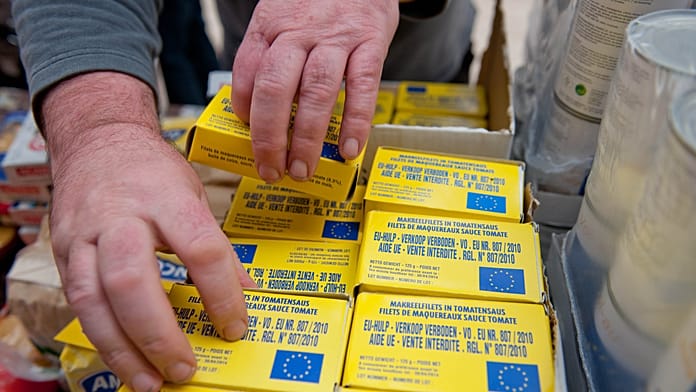
EU guidelines urge citizens to manage the first 72 hours of an emergency independently. Commissioner Hadja Lahbib said it “has become an internationally recognised benchmark for household emergency preparedness.” Yet a University of Latvia survey found that only 8% feel prepared.
In brief
Grab-and-go bags stocked with documents and medicines. But few people are ready for a crisis breaking out today. Preparedness today Self-sufficiency during the first 72 hours of a crisis is crucial, as “it reduces the pressure on emergency services and allows them to focus on those most in need,” Hadja Lahbib, EU Commissioner for Equality, Preparedness and Crisis Management, told Euronews. Yet the Baltic Individual Crisis Preparedness Barometer shows that at least half of residents in every surveyed city feel unprepared today.
This is the opening of the story, shared with credit to Euronews. The rest of the report — with every detail — continues on the publisher’s website.
Continue reading at Euronews ↗