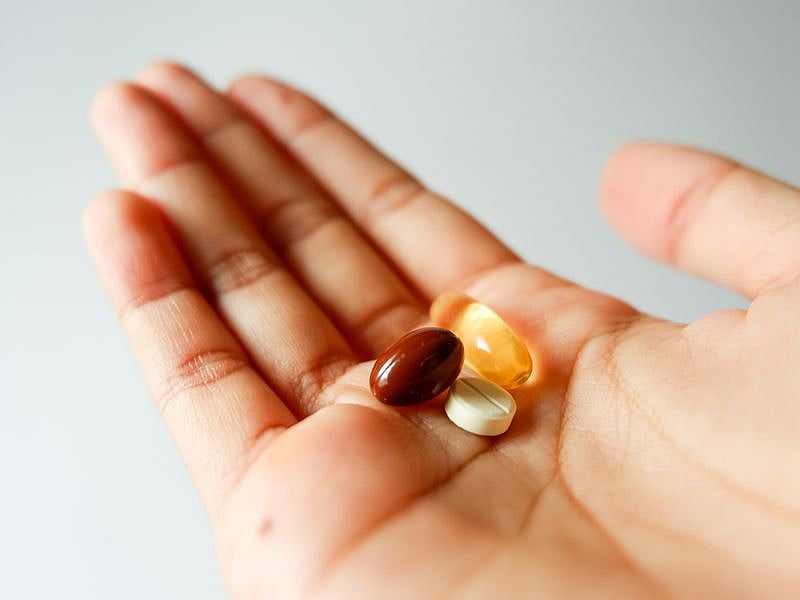
The pitch reaches men everywhere: Between workout clips, under fitness influencers’ posts, in the supplement aisle beside the protein powders. A capsule of zinc, a scoop of ashwagandha, a blend with an exotic botanical name, each promising more energy, more muscle and more drive.
The sales are strong, however, the science behind them might be rather weak.
Dr. Syed Imtiaz, a consultant urologist at Medcare Hospital Al Safa notes the growing awareness around men's health, fitness and hormone levels, with men looking for ways to improve their energy and physical performance.
However, social media and aggressive marketing have promoted these products as quick solutions for fatigue and declining performance, as he and Dr Vinodh Kumar Manoharan, a consultant urologist at RAK Hospital explain.
The appeal is easy to understand. A bottle costs less than a specialist visit, needs no prescription and carries no stigma. Dr. Ankitesh Kumar, a specialist endocrinologist at Aster Clinic in Bur Dubai, said men are drawn by 'the desire for a cheaper, easily accessible fix.'
However, the comfort of a 'natural' label can be misleading. “Marketed as safe because they rely on ‘natural’ constituents,” he said, “the reality is starkly different.”
A diagnosis in a bottle
The trouble often starts before the purchase, with a self-diagnosis.