📰 Newspapers

How Japan PM's Taiwan remarks sparked a year-long rift with China

How Japan PM's Taiwan remarks sparked a year-long rift with China

TOKYO, Nov 19 - Japan's dispute with China over Prime Minister Sanae Takaichi's remarks on Taiwan has spread from diplomatic protests to export restrictions by Beijing on critical minerals used in everything from cars and semiconductors to military equipment.

Here are the main developments in Japan's spat with China.

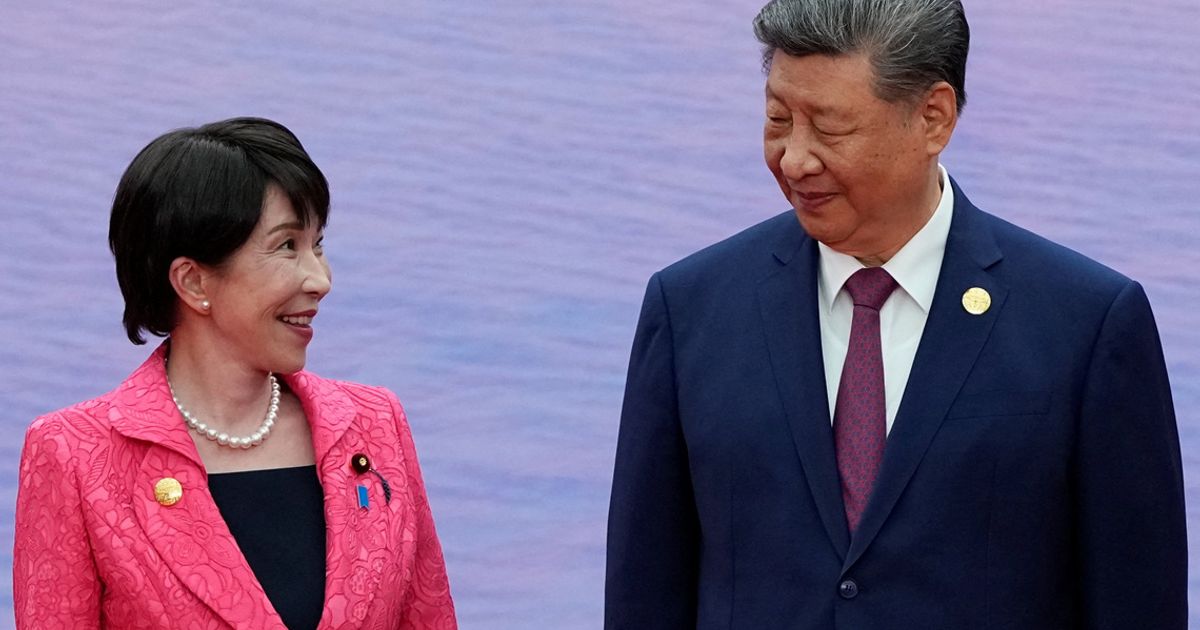
Oct 31, 2025 — Chinese President Xi Jinping meets Takaichi at the APEC summit in South Korea. They agree to pursue stable relations, but Beijing subsequently protests over her meeting with Taiwan's representative.

Nov 7 — Takaichi tells parliament that Chinese action against Taiwan that also threatened Japan's survival could prompt a Japanese military response. Her remarks broke with previous Japanese leaders who had been reluctant to publicly discuss Taiwan contingencies.

Nov 13 — China demands that Takaichi retract her remarks, warning that Japan must otherwise bear the consequences. Beijing had earlier said her remarks contradicted the spirit of a 1972 diplomatic accord under which Japan recognized it rather than Taiwan as the sole legal government of China.

Nov 14 — Beijing cautions its citizens against visiting Japan and warns of a “crushing” military defeat if Tokyo intervenes over Taiwan.

Nov 18 — Chinese and Japanese diplomats meet in Beijing without a breakthrough. China repeats its demand for a retraction, while Japan says Takaichi’s remarks reflect long-standing policy.


In brief

TOKYO, Nov 19 - Japan's dispute with China over Prime Minister Sanae Takaichi's remarks on Taiwan has spread from diplomatic protests to export restrictions by Beijing on critical minerals used in everything from cars and semiconductors to military equipment. Nov 13 — China demands that Takaichi retract her remarks, warning that Japan must otherwise bear the consequences. China repeats its demand for a retraction, while Japan says Takaichi’s remarks reflect long-standing policy.

This is the opening of the story, shared with credit to The Straits Times — Asia. The rest of the report — with every detail — continues on the publisher’s website.

Continue reading at The Straits Times — Asia ↗

Cookie settings

Choose which cookies we may use. You can change this at any time from Cookie settings in the footer. Details of each cookie are in the Cookie Policy.

Strictly necessary

Needed for sign-in, security, payments and remembering these choices. Always on.

Preferences

Remember settings such as dark mode.

Analytics & performance

Help us count visits, understand which pages, devices and countries our readers use, and measure how well the site performs – anonymous and aggregated.

Advertising & marketing

Lets advertising partners show and personalise adverts, measure impressions, clicks and visits, prevent ad fraud and pay us – this is how the free site is funded.

🔔 News notifications

Get headlines from NewsHub on this device — even when the site is closed.

You can switch this off at any time. Works on Android, Windows, Mac and Linux browsers; on iPhone/iPad add the site to your Home Screen first.