

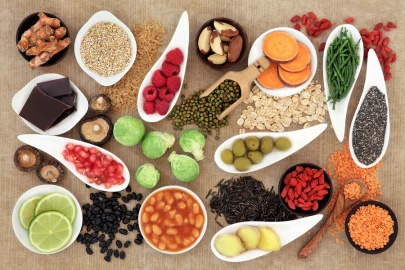
Micronutrient deficiencies persist, with anaemia affecting roughly four in ten pregnant women and one in four pre-school children.
By Mary Muthoni,
Last year, non-communicable diseases (NCDs) such as diabetes, hypertension, heart disease, stroke and certain cancers accounted for 61.7 per cent of all hospital deaths in Kenya, up from 52.4 per cent the year before.
They are also behind more than half of all hospital admissions. Much of this burden can be traced to what we put on our plates every day.
Kenya now faces a triple burden of malnutrition. We have made real progress against undernutrition: stunting among children under five fell from 26 per cent in 2014 to 18 per cent in 2022.
At the same time, 45 per cent of women aged 20 to 49 are now overweight or obese, up from 38 per cent in 2014, and only about half of women eat a sufficiently varied diet.
Micronutrient deficiencies persist, with anaemia affecting roughly four in ten pregnant women and one in four pre-school children.
As Kenya advances towards Universal Health Coverage (UHC) through a strengthened primary health care system, prevention must come first.
Good nutrition supports the growth and development of children and adolescents, strengthens immunity, speeds recovery from illness and keeps our workforce productive.