Want to bookmark your favourite articles and stories to read or reference later? Start your Independent Membership today.
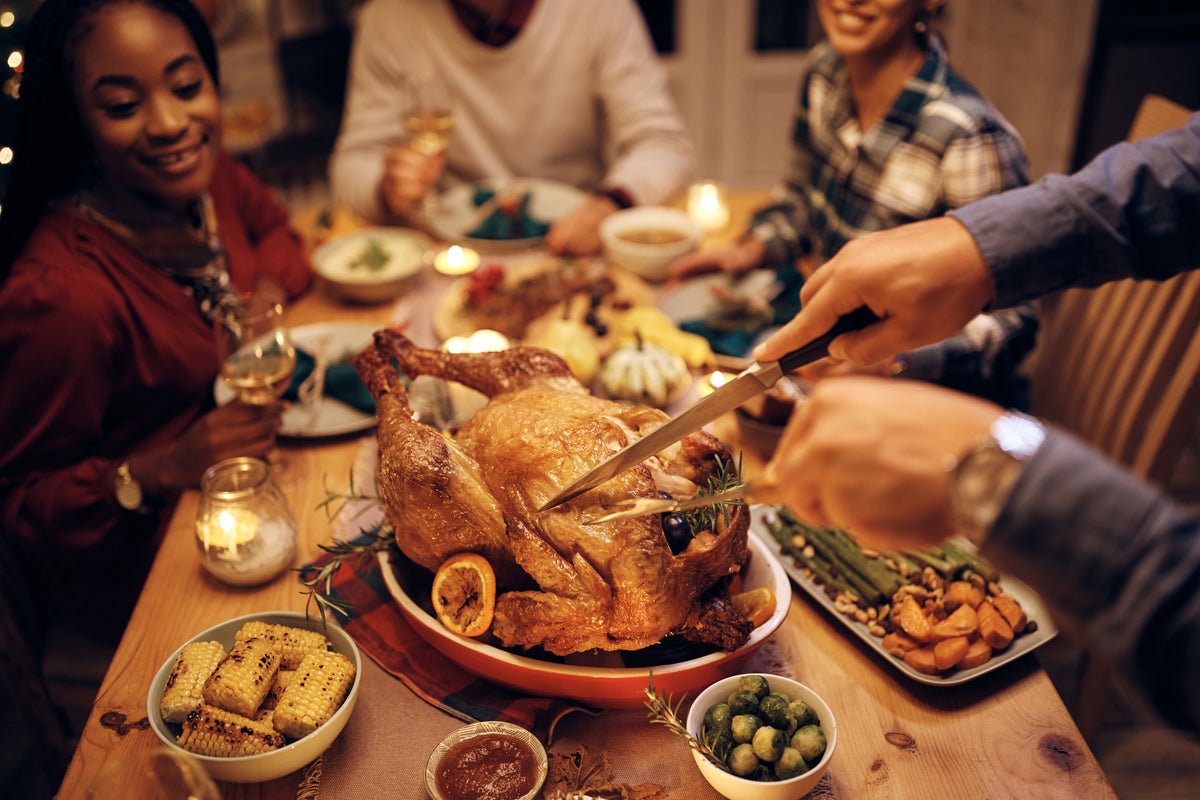
Thanksgiving is a time for family, friends and feasting. However, amid the joy of gathering and indulging in delicious food, it is essential to keep food safety in mind. Foodborne illnesses can quickly put a damper on your celebrations.
As an immunologist and infectious disease specialist, I study how germs spread – and how to prevent them from doing so. In my courses, I teach my students how to reduce microbial risks, including those tied to activities such as hosting a big Thanksgiving gathering, without becoming germophobes.
Foodborne illnesses sicken 48 million Americans – 1 in 6 people – each year. Holiday meals such as Thanksgiving pose special risks because these spreads often involve large quantities, long prep times, buffet-style serving and mingling guests. Such conditions create many opportunities for germs to spread.
This, in turn, invites a slew of microbial guests such as Salmonella and Clostridium perfringens. Most people recover from infections with foodborne bacteria, but each year, around 3,000 Americans die from the illnesses they cause. More routinely, these bugs can cause nausea, vomiting, stomach cramps and diarrhea within hours to a couple of days after being consumed – which are no fun at a holiday celebration.