

Iraq has increased airstrikes and operations against ISIS remnants in recent months, as the terrorist group continues to carry out small attacks in rural areas. ISIS was largely defeated in Iraq in 2017 but it still has small cells in some areas near Kirkuk and also in Anbar province. The operations have taken on increased importance following the withdrawal of US forces from Iraq on September 30, 2026. Iraqi security forces are now seeking to secure remote desert areas and prevent ISIS cells from establishing new bases.On November 18, Iraqi F-16 fighter jets carried out two airstrikes against suspected ISIS positions in the Suhul Rawa area of western Anbar province. According to a report by Rudaw, Iraq's Security Media Cell (SMC) said military intelligence had detected ISIS activity in the area."Intelligence from the Directorate of Military Intelligence indicated movement by remnants of ISIS in the Suhul Rawa area north of Rawa district within the Al-Jazeera Operations Command sector, the SMC stated, adding that the “Air Force carried out two precise and effective airstrikes using Iraqi F-16 aircraft targeting those elements at the same location.”The SMC provided additional details about the timing of the strikes. "The first airstrike was carried out at 18:30, followed by the second airstrike at 18:57 on the same site," Rudaw reported, citing the Iraqi military statement.…
Can Iraq beat ISIS without US troops? New airstrikes highlight ongoing security threats - analysis
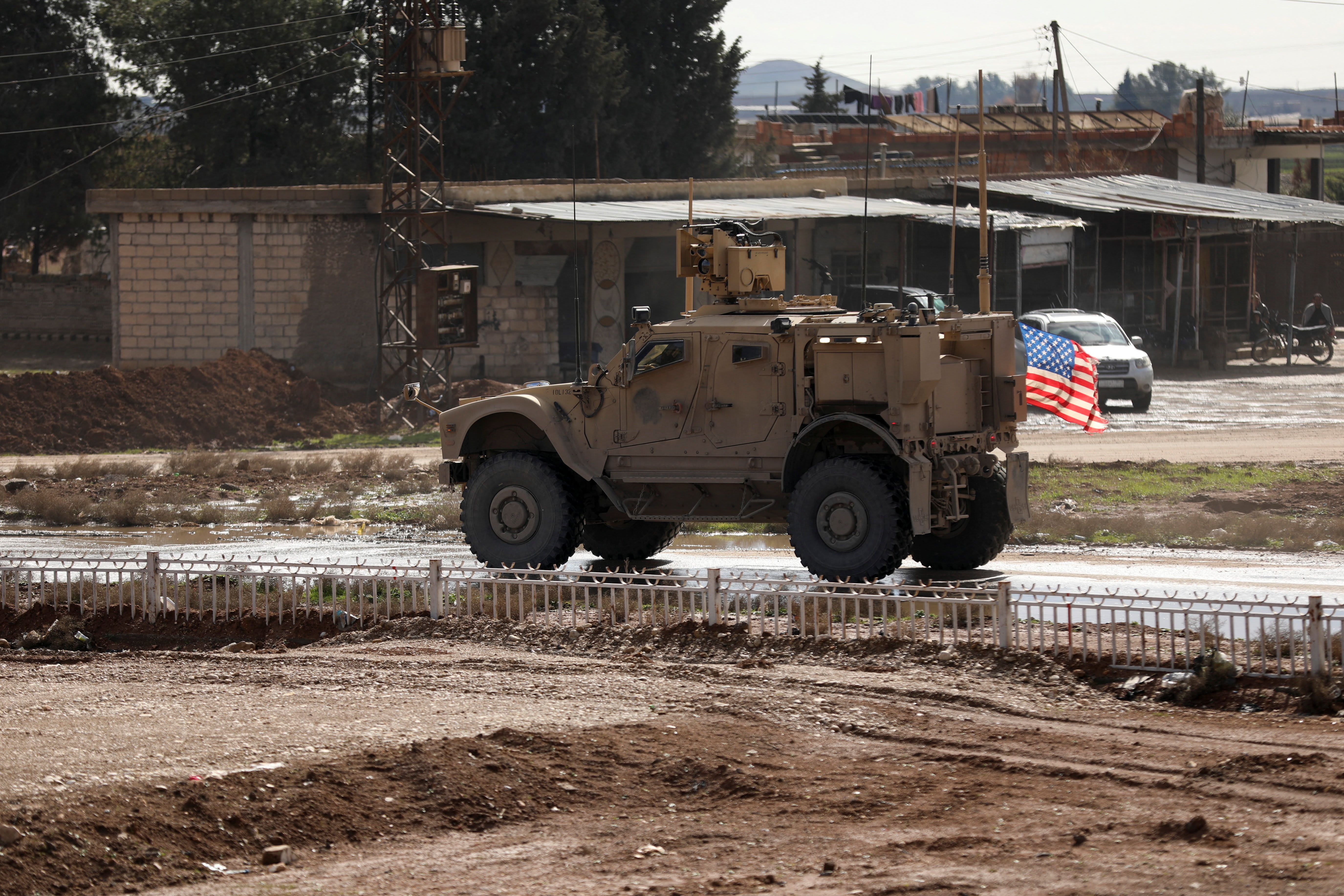
Nearly nine years after ISIS lost its territorial strongholds in Iraq, renewed attacks and military operations highlight the challenges facing Baghdad.
In brief
Iraq has increased airstrikes and operations against ISIS remnants in recent months, as the terrorist group continues to carry out small attacks in rural areas. Iraqi security forces are now seeking to secure remote desert areas and prevent ISIS cells from establishing new bases.On November 18, Iraqi F-16 fighter jets carried out two airstrikes against suspected ISIS positions in the Suhul Rawa area of western Anbar province.
This is the opening of the story, shared with credit to The Jerusalem Post. The rest of the report — with every detail — continues on the publisher’s website.
Continue reading at The Jerusalem Post ↗