

The amount of electricity used by data centres could double by 2030, reaching up to 1,000 terawatt-hours of electricity a year, straining energy grids and driving carbon emissions up 70%, according to the International Energy Agency (IEA).In the IEA’s Stated Policies Scenario report, the organisation warns that the rise in electricity demand could stretch power grids and even delay new projects.The report cited data centre projects in Finland, the United Kingdom, and the United States in states such as Texas and Virginia.It estimates that electricity would account for nearly 30% of global final energy consumption by 2035, up from 23% in the IEA’s main scenarios.Peak electricity demand is projected to rise 40% to 50% by 2035, according to the IEA. In the report, grids should be expanded by 26 million kilometres of new lines by 2035, while about 16 million kilometres of existing lines need to be replaced or refurbished.The IEA also warned that the supplies of copper, transformers and cables needed for data centres are already lacking and grid spending is projected to rise 75% over the next decade.The report comes as backlash grows against data centres in the US and Europe due to their impact on local communities' public infrastructure, land, water and energy use.
Data centre energy consumption could double by 2030 straining grids, IEA warns
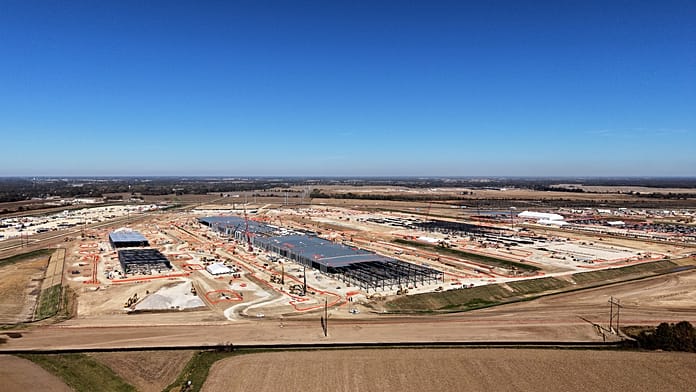
Data centres could use roughly 1,000 terawatt-hours of power annually by 2030 under the International Energy Agency’s (IEA) Stated Policies Scenario.
In brief
The amount of electricity used by data centres could double by 2030, reaching up to 1,000 terawatt-hours of electricity a year, straining energy grids and driving carbon emissions up 70%, according to the International Energy Agency (IEA).In the IEA’s Stated Policies Scenario report, the organisation warns that the rise in electricity demand could stretch power grids and even delay new projects.The report cited data centre projects in Finland, the United Kingdom, and the United States in states such as Texas and Virginia.It estimates that electricity would account for nearly 30% of global final energy consumption by 2035, up from 23% in the IEA’s main scenarios.Peak electricity demand is…
This is the opening of the story, shared with credit to Euronews. The rest of the report — with every detail — continues on the publisher’s website.
Continue reading at Euronews ↗