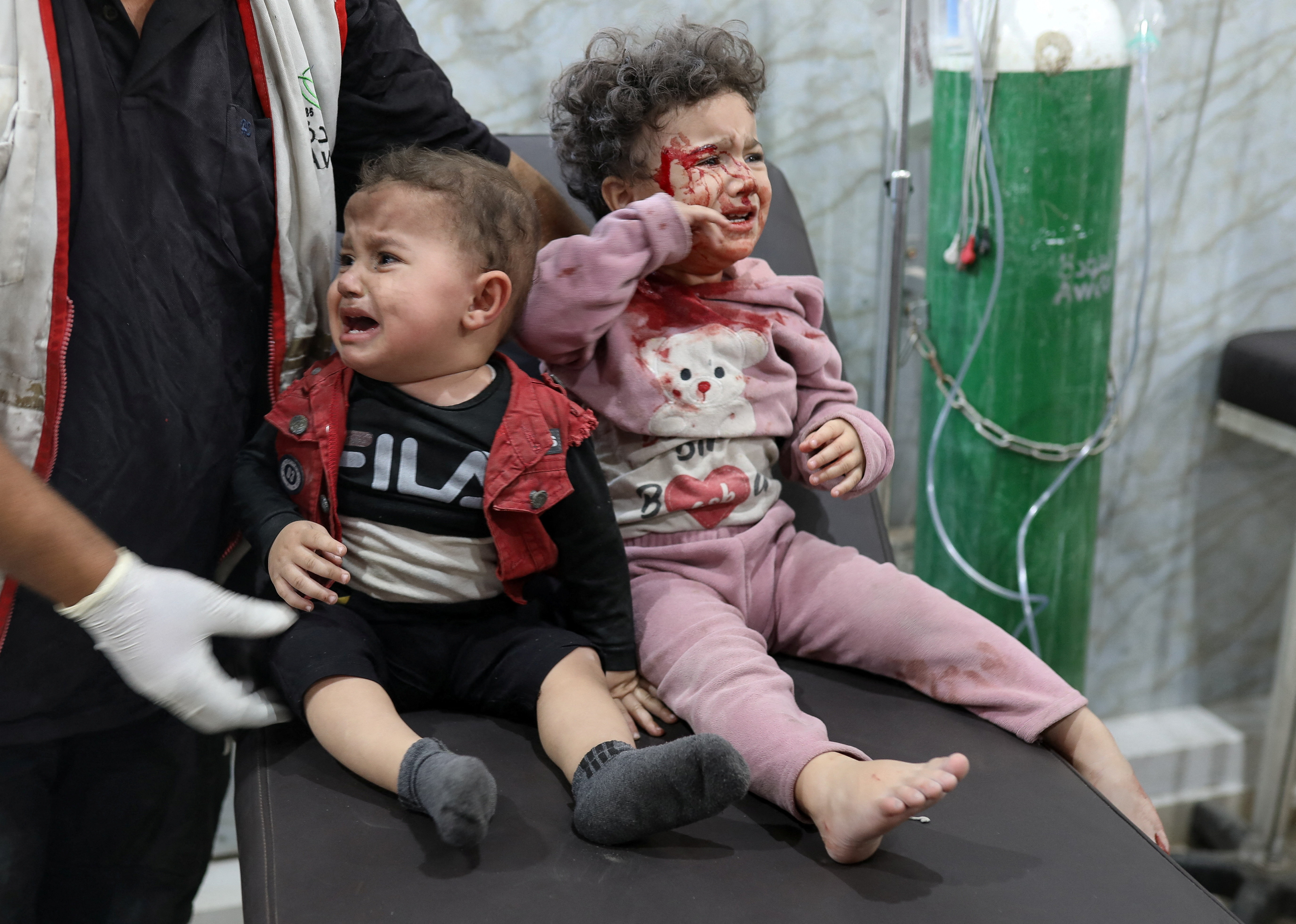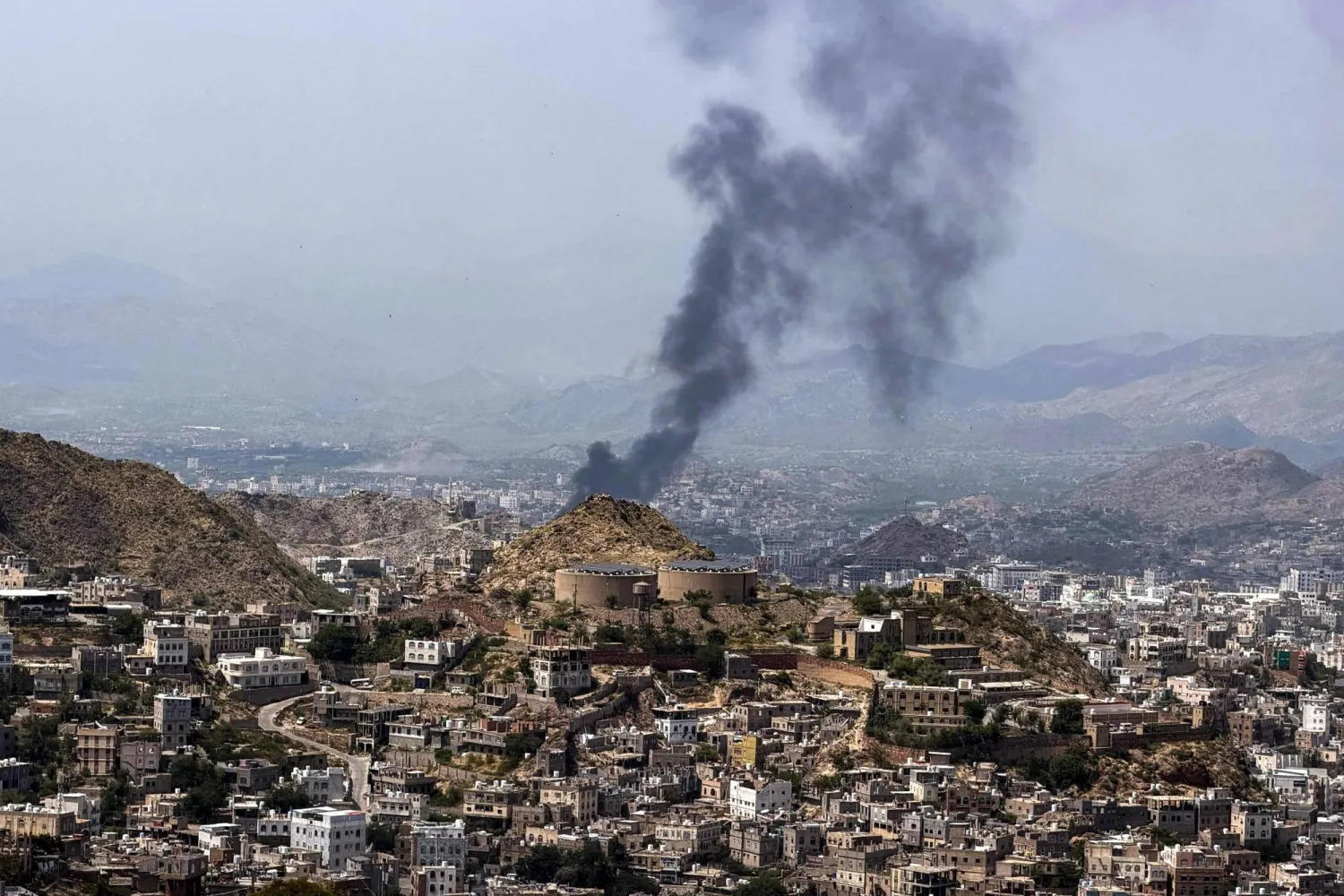
Houthi shells landing on Taiz stopped being news long ago. What has changed is what is inside them. On the Al-Aqroudh and Kahlan fronts, the militia has fired projectiles that leave victims choking, struggling to breathe and vomiting. The Ministry of Health office in Taiz says mustard gas was used.
This raises two pressing questions: Have the Houthis moved from conventional shelling to internationally banned weapons? And who made this possible?
Anyone who has followed Yemen closely should not be surprised. In September 2025, more than a year before the latest attacks, reports said that Iran was smuggling toxic gases and chemical weapons precursors into Houthi territory under the supervision of Revolutionary Guard experts. They also said work was underway on a production facility. Two years earlier, in 2023, Yemeni government forces had intercepted a shipment bound for the Houthis.
The warning signs were there long before Taiz, too. The Assad regime used toxic agents in Syria hundreds of times. Its best-known attacks hit Eastern Ghouta in 2013, Khan Sheikhoun in 2017 and Douma in 2018, alongside chlorine attacks on Al-Lataminah and Talmenes. These were not explanations dreamed up after the fact — they were early warnings and they went largely unheeded. Why?