

While irregular migration is declining along several routes into the European Union, the opposite is happening on Crete. The Greek island, better known for its beaches and tourism industry, is facing a sharp increase in arrivals from North Africa and Asia.Around 24,000 migrants reached Crete during the first ten months of 2026, compared with approximately 17,000 throughout 2025.Most boats depart from eastern Libya, crossing hundreds of kilometres of open sea towards Gavdos, a small island south of Crete, or the southern coastline of Crete itself.Despite increased patrols, surveillance aircraft and sophisticated monitoring technology, the crossings continue.To understand what is happening on Europe's southern maritime frontier, Euronews joined a patrol of the European Border and Coast Guard Agency, Frontex, spending time with its crews at sea and visiting the facilities coordinating aerial surveillance.A search for missing migrantsDuring our reporting, an incident illustrated the dangers of this increasingly busy migration route.On the afternoon of November 4, a migrant was discovered alone on Chrissi Island, approximately 15 kilometres off Crete’s southern coast.He claimed to have travelled with 60 other people, triggering an extensive search and rescue operation.It is just one of dozens of incidents requiring a response from Greek and European patrol and rescue teams operating off Crete.Local Coast Guard officials in Heraklion told Euronews that, in just 48 hours, 13 boats carrying…
On board with Frontex: Euronews patrols the waters off Crete as migrant arrivals from Libya rise
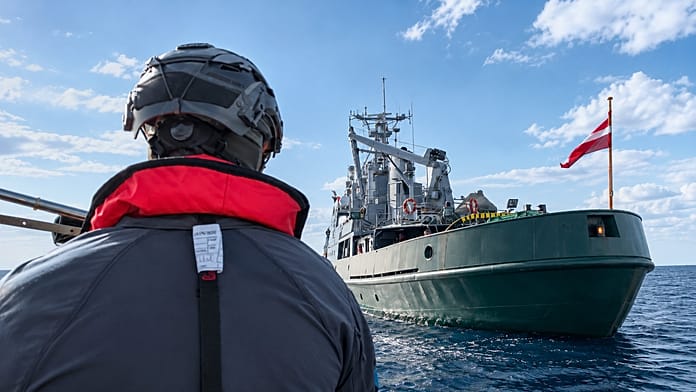
Aboard the Latvian patrol vessel Valpas, Euronews follows maritime operations and visits a Frontex drone base at Tympaki airfield. A search for missing migrants near Chrissi Island highlights the dangers of the crossing, while temporary reception facilities face growing pressure.
In brief
While irregular migration is declining along several routes into the European Union, the opposite is happening on Crete. The Greek island, better known for its beaches and tourism industry, is facing a sharp increase in arrivals from North Africa and Asia.Around 24,000 migrants reached Crete during the first ten months of 2026, compared with approximately 17,000 throughout 2025.Most boats depart from eastern Libya, crossing hundreds of kilometres of open sea towards Gavdos, a small island south of Crete, or the southern coastline of Crete itself.Despite increased patrols, surveillance aircraft and sophisticated monitoring technology, the crossings continue.To understand what is happening…
This is the opening of the story, shared with credit to Euronews. The rest of the report — with every detail — continues on the publisher’s website.
Continue reading at Euronews ↗