📰 Newspapers

Divers Found the Wreck of Australia’s First Naval Warship—and Old Newspapers Had It Right All Along

Divers Found the Wreck of Australia’s First Naval Warship—and Old Newspapers Had It Right All Along

Scientists collaborating with the Royal Australian Navy have found a historic and “very well preserved” sunken warship, apparently untouched by humans for over a century.

Fearing an Imperial Russian fleet based in the Far East during the Crimean War, Australia’s colonial leadership commissioned its first ever warship in 1855: the HMCS Spitfire, a 51-foot (16-meter) wooden gunboat with a hull sheathed in protective copper. For over four decades the Spitfire sailed the Pacific, first on naval missions, later on fishing expeditions, before repeated damage from cyclones and other hazards ultimately sank this historic vessel on August 21, 1898.

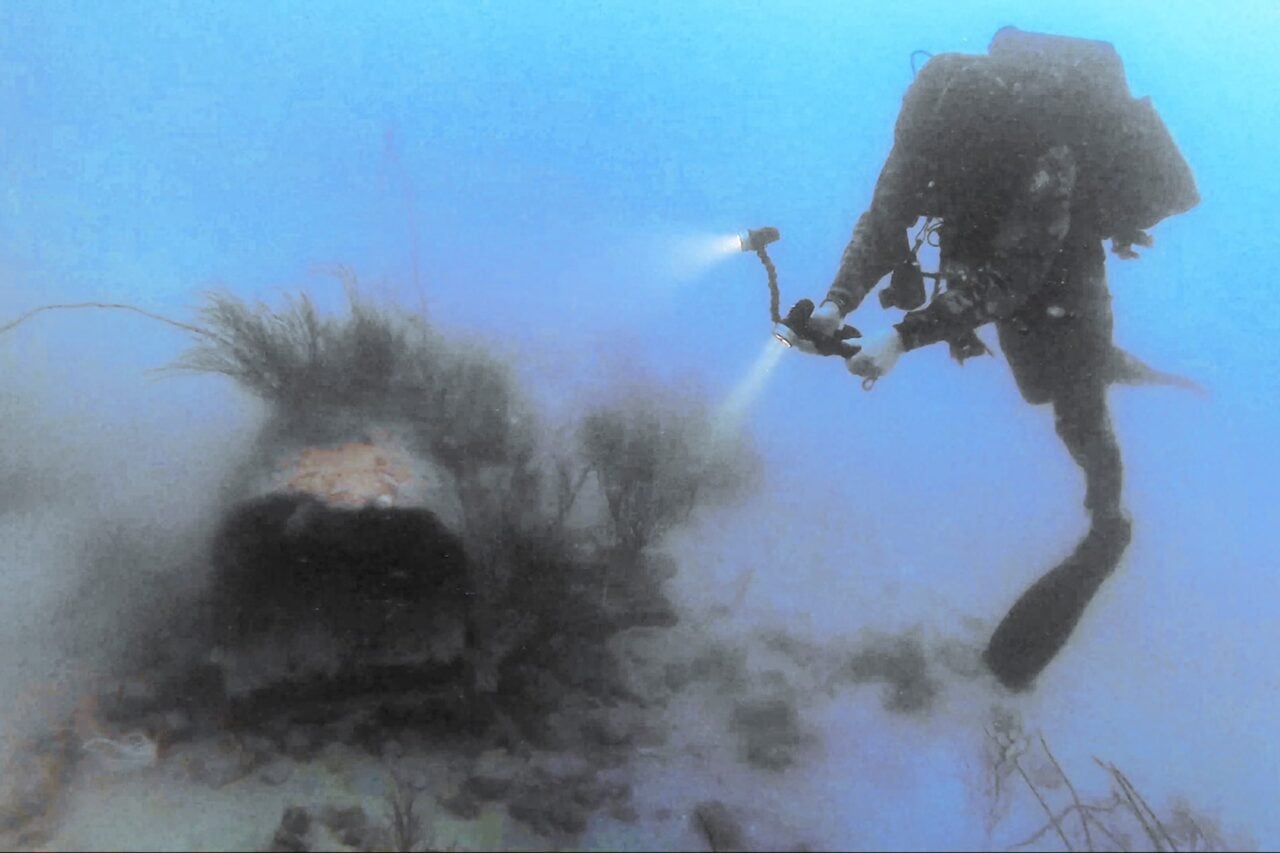
But this year—thanks to Royal Australian Navy (RAN) divers and archaeologists with the Australian National Maritime Museum—the Spitfire wreck has been finally located, almost completely buried in a seabed off the coast of Far North Queensland. That encasement has been a remarkable boon for the ex-HMCS Spitfire as an artifact. Despite spending over a century marinating in warm tropical waters, and despite a construction largely of ironbark and blackwood, the warship’s hull has remained “very well preserved,” according to James Hunter, a maritime archaeologist with the museum who collaborated on the project.

“Literally, from the day it sank, no humans have interacted or intervened with it in any way, shape, or form,” Hunter said in a video put out by the museum this Wednesday.

This “really unique” aspect of the wreck, Hunter noted, makes the Spitfire something of a time capsule for the rare cultural artifacts left…


In brief

Fearing an Imperial Russian fleet based in the Far East during the Crimean War, Australia’s colonial leadership commissioned its first ever warship in 1855: the HMCS Spitfire, a 51-foot (16-meter) wooden gunboat with a hull sheathed in protective copper. This “really unique” aspect of the wreck, Hunter noted, makes the Spitfire something of a time capsule for the rare cultural artifacts left…

This is the opening of the story, shared with credit to Gizmodo. The rest of the report — with every detail — continues on the publisher’s website.

Continue reading at Gizmodo ↗

Cookie settings

Choose which cookies we may use. You can change this at any time from Cookie settings in the footer. Details of each cookie are in the Cookie Policy.

Strictly necessary

Needed for sign-in, security, payments and remembering these choices. Always on.

Preferences

Remember settings such as dark mode.

Analytics & performance

Help us count visits, understand which pages, devices and countries our readers use, and measure how well the site performs – anonymous and aggregated.

Advertising & marketing

Lets advertising partners show and personalise adverts, measure impressions, clicks and visits, prevent ad fraud and pay us – this is how the free site is funded.

🔔 News notifications

Get headlines from NewsHub on this device — even when the site is closed.

You can switch this off at any time. Works on Android, Windows, Mac and Linux browsers; on iPhone/iPad add the site to your Home Screen first.