

A police report points to possible logistical preparations ahead of the mass arrival of migrants in Ceuta at the end of July, after detecting the use of thousands of inflatable rings of the same model, black with a printed design, during the crossing at Tarajal beach.The officers believe that "it does not seem possible" for the migrants themselves to have bought the rings directly from shops or online, as there would not have been enough stock to meet a sudden purchase of thousands of units on the same day without prior planning or orders.The analysis, based on aerial images and photographs from different points along the Tarajal border, suggests that a single large batch had been purchased in advance, then distributed at specific locations and widely used during the crossing.Images on social media and in the press do not make it possible to clearly identify points of sale. However, some migrants interviewed said they had bought the rings in the Moroccan town of Fnideq, while others said they had acquired them on Tarajal beach itself, before entering the breakwater.The judge requests information on the rescuesJudge María Tardón, who is handling the case at the National Court, has asked the Maritime Rescue Coordination Centre in Tarifa for information about the rescues carried out on 30 and 31 July, when the mass…
10,000 identical inflatable rings raise questions over Ceuta migrant crossing
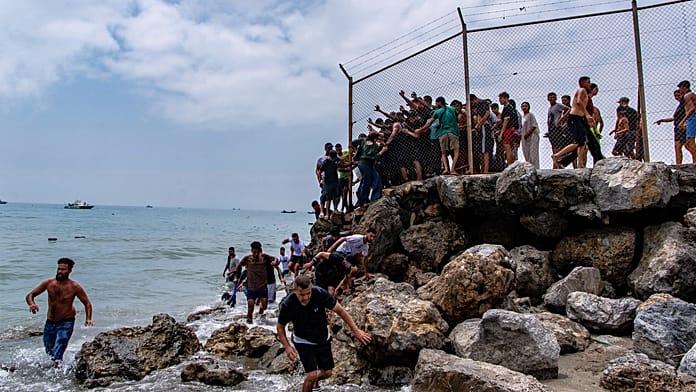
The report estimates that between 8,000 and 10,000 identical inflatable rings were used during the mass migrant crossing in July, suggesting they may have been purchased and distributed in advance.
In brief
A police report points to possible logistical preparations ahead of the mass arrival of migrants in Ceuta at the end of July, after detecting the use of thousands of inflatable rings of the same model, black with a printed design, during the crossing at Tarajal beach.The officers believe that "it does not seem possible" for the migrants themselves to have bought the rings directly from shops or online, as there would not have been enough stock to meet a sudden purchase of thousands of units on the same day without prior planning or orders.The analysis, based on aerial images and photographs from different points along the Tarajal border, suggests that a single large batch had been purchas…
This is the opening of the story, shared with credit to Euronews. The rest of the report — with every detail — continues on the publisher’s website.
Continue reading at Euronews ↗