

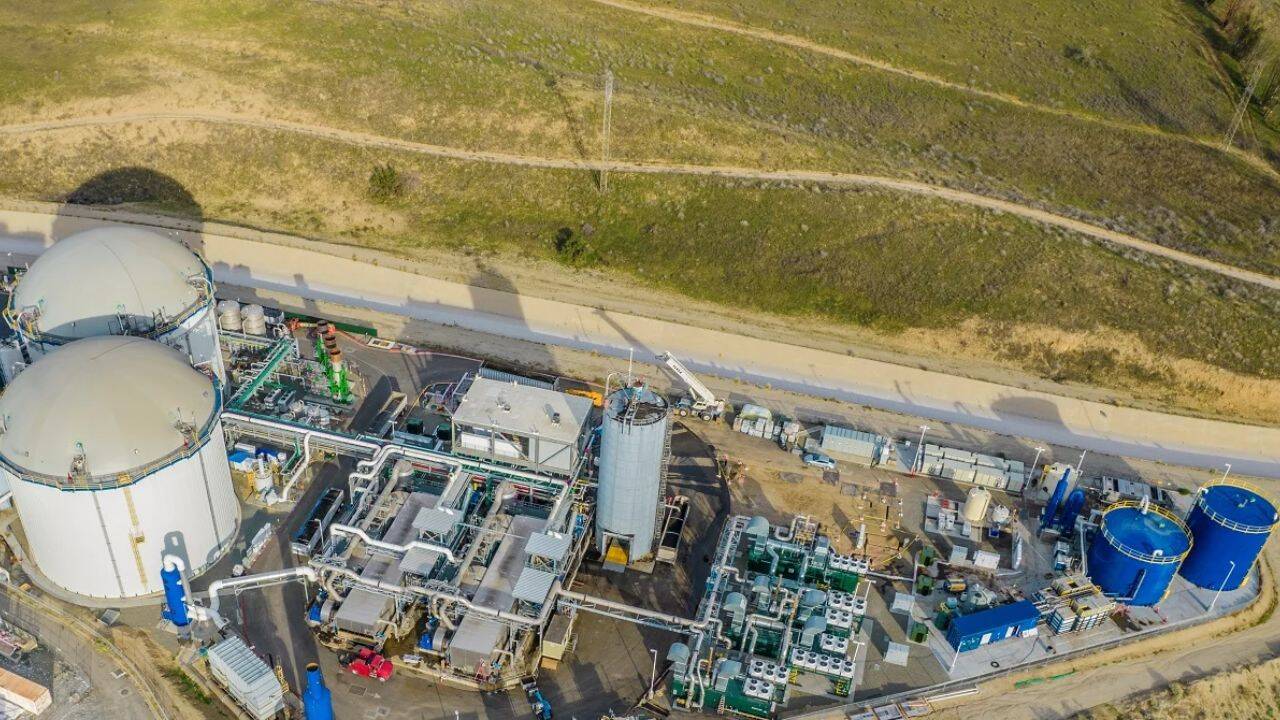
A bioenergy facility in Rialto, California, is giving food waste and sewage treatment by-products a second use by converting them into renewable natural gas and useful soil products. Designed to handle up to 1,000 tons of organic material every day, the Rialto Bioenergy Facility provides an alternative to sending large quantities of waste to landfill. The project also connects waste management with renewable energy production, offering municipalities a way to deal with organic waste while creating a fuel that can enter the existing natural gas network.How the California facility turns organic waste into renewable gasLocated in Rialto, around 50 miles east of Los Angeles, the Rialto Bioenergy Facility was developed to process organic waste collected from municipal waste streams and sewage treatment operations.According to SoCalGas, the facility can accept up to 1,000 tons of material daily. This includes food waste separated from municipal rubbish, liquid waste and municipal biosolids, the material left behind after wastewater treatment. Bringing these different waste streams to one location allows the facility to recover resources that would otherwise require disposal.The project was originally designed, built, operated and financed by Anaergia, a company specialising in technologies that convert organic waste into energy. Its processing system uses anaerobic digestion, a method in which microorganisms break down organic material without oxygen.
California facility turns 1,000 tons of daily organic waste into renewable gas
In brief
A bioenergy facility in Rialto, California, is giving food waste and sewage treatment by-products a second use by converting them into renewable natural gas and useful soil products. Designed to handle up to 1,000 tons of organic material every day, the Rialto Bioenergy Facility provides an alternative to sending large quantities of waste to landfill. This includes food waste separated from municipal rubbish, liquid waste and municipal biosolids, the material left behind after wastewater treatment.
This is the opening of the story, shared with credit to The Times of India — World. The rest of the report — with every detail — continues on the publisher’s website.
Continue reading at The Times of India — World ↗